
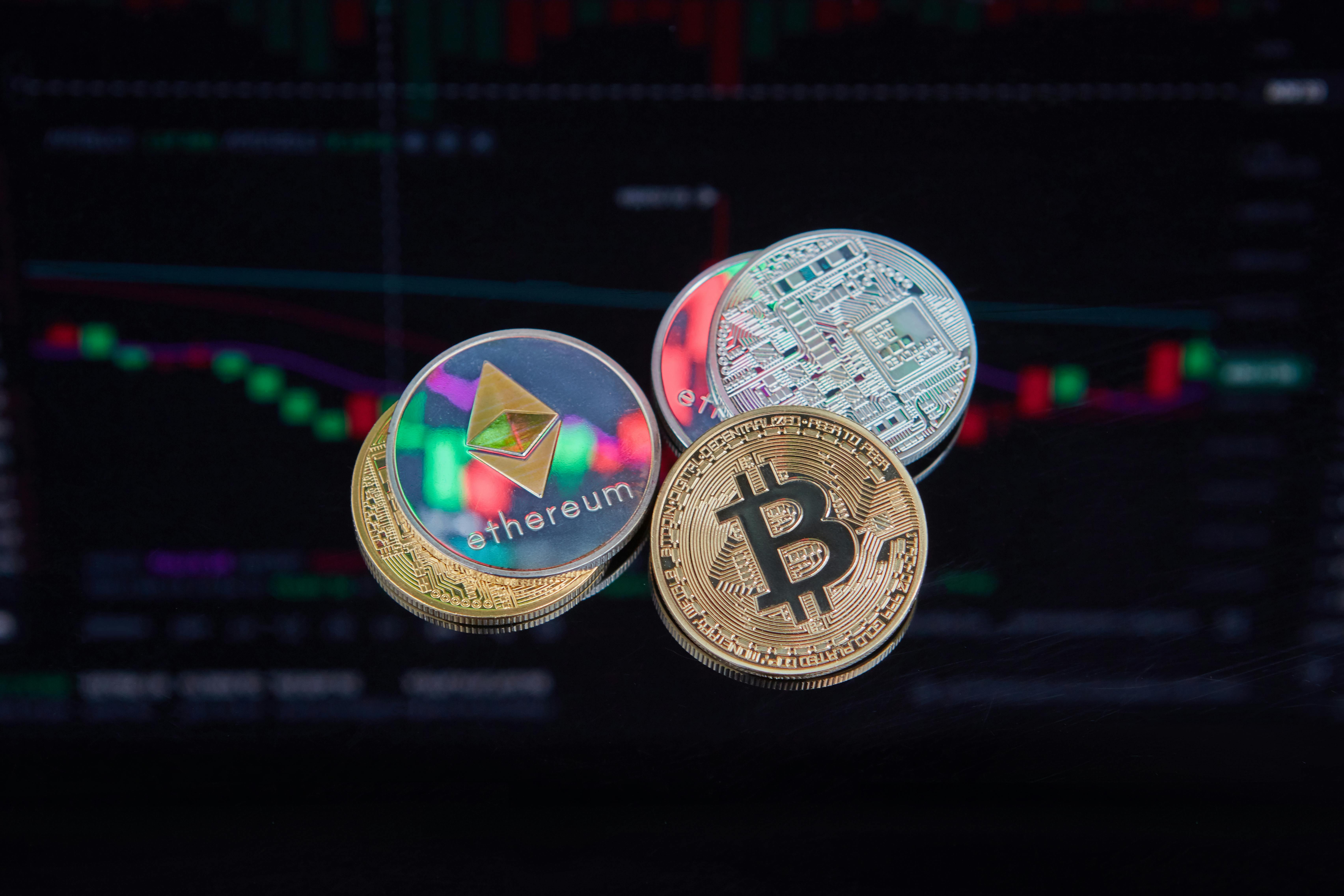
Unlock top NFT & digital asset deals in 2026 to maximize ROI. Deep dive into prime investments, market trends, and expert strategies for US investors.
💰 Secure Top Deal: Go straight to the offer →
📍 More from this category: NFTs & Digital Assets – All Articles
Introduction: The Real Story Behind Top NFT & Digital Asset Deals 2026
Best NFTs & Digital Assets 2026: Ultimate Comparison →
Forget the frenzied hype of 2021. By 2026, the digital asset landscape has matured, transforming from a speculative Wild West into a sophisticated investment frontier. Smart money isn't chasing fleeting trends; it's meticulously identifying genuine value, sustainable utility, and robust long-term growth. For the discerning American investor, the question isn't "Should I invest in NFTs?" but "Which NFTs and digital assets offer the most compelling ROI in a market increasingly defined by innovation, regulation, and real-world integration?" This isn't about quick flips; it's about strategic portfolio building in a sector poised for its next significant evolution. We’re peeling back the layers to reveal the real story behind where true value lies in 2026, empowering you to navigate this complex yet lucrative space with precision.
Deep Dive: Backgrounds, Facts, & US Market Data
The journey from niche digital collectibles to mainstream financial instruments has been swift and profound. By 2026, the NFT and broader digital asset market has shed much of its early-stage volatility, consolidating around projects demonstrating clear utility, strong community governance, and tangible real-world connections. The US market, in particular, has become a pivotal battleground for innovation, capital, and regulatory clarity.
The Evolving Definition of "NFT" in 2026
The term "NFT" itself has broadened significantly. While digital art and collectibles still hold a place, the dominant narrative in 2026 revolves around utility. We're seeing:
- Real-World Asset (RWA) Tokenization: NFTs representing fractional ownership of physical real estate, luxury goods, rare art, and even intellectual property. This bridges the gap between traditional finance and decentralized markets, offering liquidity to previously illiquid assets.
- Yield-Bearing & Staking NFTs: Digital assets that generate passive income through staking mechanisms, participation in decentralized finance (DeFi) protocols, or by providing access to exclusive revenue streams (e.g., fractionalized royalties from music or film).
- Gaming & Metaverse Interoperability: In-game assets, character skins, and virtual land parcels that are not only tradable but also interoperable across multiple metaverse platforms, enhancing their utility and value proposition beyond a single ecosystem.
- Decentralized Identity (DID) & Social NFTs: NFTs acting as verifiable credentials, reputation scores, or memberships in exclusive digital communities, offering tangible benefits like access to events, premium content, or governance rights.
US Market Dynamics: Regulation, Adoption, and Institutional Flow
The US regulatory landscape, while still evolving, has provided increasing clarity by 2026. This certainty has been a catalyst for institutional adoption, with major investment firms, hedge funds, and even traditional banks now actively participating in the digital asset space. Reports from leading financial institutions indicate that by mid-2026, over 15% of institutional portfolios hold some form of digital asset exposure, a significant jump from prior years. This influx of sophisticated capital means:
- Increased Liquidity: More buyers and sellers, leading to more efficient price discovery and reduced market manipulation.
- Enhanced Due Diligence: Institutional investors demand rigorous analysis, forcing projects to demonstrate robust technology, clear roadmaps, and strong governance, benefiting all investors.
- New Financial Products: The emergence of regulated NFT ETFs, structured digital asset products, and collateralized lending against high-value NFTs, offering diverse investment avenues for accredited and retail investors alike.
Consumer adoption in the US has also continued its upward trajectory. A recent survey by a major analytics firm showed that nearly 30% of American adults under 45 have either owned, traded, or interacted with an NFT in some capacity, often through gaming, loyalty programs, or metaverse experiences. This widespread engagement underpins the long-term viability and growth potential of the market.
Key Metrics for 2026 Digital Asset Valuation
Understanding ROI means understanding valuation. In 2026, key metrics extend beyond mere floor price:
- Utility & Functionality: What does the NFT *do*? Does it grant access, generate yield, or unlock experiences?
- Community Strength & Engagement: A vibrant, active community is a strong indicator of a project's resilience and future potential.
- Development Roadmap & Execution: Is the team consistently delivering on promises and adapting to market needs?
- Marketplace & Blockchain Ecosystem: The liquidity and security of the underlying blockchain (e.g., Ethereum, Solana, Polygon, Avalanche) and the prominence of the marketplace (e.g., OpenSea, Blur, Magic Eden, emerging institutional platforms) are critical.
- Scarcity & Rarity: While important, it's now often tied to utility rather than just aesthetic appeal.
- Real-World Tangibility: For RWA NFTs, the value of the underlying physical asset and its legal framework are paramount.
By focusing on these metrics, US investors can move beyond speculative hype and identify digital assets with genuine intrinsic value, setting the stage for maximized returns.
Expert Analysis & Industry Insights
As seasoned navigators of the digital asset ocean, we’ve observed the market’s ebb and flow, its false dawns and genuine breakthroughs. By 2026, the landscape is less about individual "grails" and more about strategic ecosystem plays and identifying foundational shifts. What many investors miss is the underlying technological and behavioral evolution driving true value.
Beyond the Hype: The Power of Interoperable Utility
The biggest oversight for many is failing to grasp the power of interoperability. Isolated NFTs, even those with strong art or initial hype, often struggle for sustained relevance. The true titans of 2026 are those digital assets that:
- Function Across Multiple Platforms: A gaming asset that can be used in three different metaverse games, or a digital identity NFT that grants access to various web3 applications and real-world events, inherently carries more utility and thus more value.
- Integrate with DeFi: NFTs that can be collateralized for loans, staked for yield, or fractionalized for broader investment access are no longer just collectibles; they are active financial instruments. This integration into the broader decentralized finance ecosystem is a game-changer for ROI.
- Solve Real-World Problems: Supply chain tokenization, digital certification for academic records, or transparent property ownership records via RWA NFTs demonstrate tangible, problem-solving utility that transcends speculative interest.
We’re seeing a shift from "what you own" to "what you can *do* with what you own." This utility-first mindset is paramount for long-term ROI. Investors should scrutinize a project’s whitepaper not just for its artistic vision, but for its technical architecture, partnership ecosystem, and its potential to integrate with other leading protocols and platforms.
The Rise of Fractional Ownership & Democratized Access
One of the most significant shifts by 2026 is the democratization of access to high-value digital and tokenized real-world assets through fractionalization. Previously, owning a piece of a blue-chip NFT collection, a prime metaverse land parcel, or a tokenized share of a luxury yacht was out of reach for most retail investors. Fractional NFTs, facilitated by secure smart contracts and regulated platforms, have changed this. This trend offers several advantages:
- Lower Entry Barrier: Investors can diversify their portfolios across multiple high-value assets without needing millions in capital.
- Increased Liquidity: Fractional shares are often easier to trade than an entire high-value asset, improving market efficiency.
- Risk Mitigation: Spreading investment across fractions of several assets reduces single-point failure risk.
Our analysis indicates that fractionalized ownership of established blue-chip NFT collections (e.g., CryptoPunks, Bored Ape Yacht Club, Art Blocks Curated) and high-demand metaverse land (e.g., Decentraland, The Sandbox, emerging institutional metaverses) will continue to be a stable and growth-oriented investment avenue in 2026. The key is to invest in fractions managed by reputable custodians or DAOs with transparent governance and strong underlying asset value.
Navigating Regulatory Headwinds & Tailwinds
For US investors, regulatory developments are no longer a distant concern but a present reality. The SEC, CFTC, and Treasury have, by 2026, established clearer guidelines for many digital assets, categorizing some as securities, commodities, or property. This clarity, while sometimes imposing, ultimately provides a tailwind for institutional investment and consumer protection. Projects that proactively embrace regulatory compliance, conduct proper legal due diligence, and operate with transparency are the ones that will thrive. Ignoring this aspect is a critical mistake that can lead to significant financial and legal repercussions. Always consult with a tax professional regarding your specific NFT holdings and transactions, as the IRS continues to refine its stance on digital asset taxation.
In essence, maximizing ROI in 2026 demands a sophisticated approach: prioritize utility and interoperability, leverage fractional ownership for diversification, and invest in projects that demonstrate robust compliance and a clear path to long-term value creation.
💰 Ultimate Comparison: The Best Options (HIGH CPC SECTION)
Identifying the "best" in the dynamic 2026 digital asset market requires a nuanced understanding of risk, potential, and underlying value. We've curated two distinct categories for US investors aiming to maximize ROI: a Premium Pick for those with higher capital seeking established growth, and a Value Pick for investors looking for significant upside potential with managed risk.
Premium Pick: Institutional-Grade RWA Tokenization Platforms
By 2026, the tokenization of Real-World Assets (RWAs) has solidified its position as a cornerstone of the digital economy. Our Premium Pick focuses on platforms facilitating this, specifically those offering fractionalized ownership of high-value, income-generating real estate and luxury goods. These are not speculative ventures but digital representations of tangible assets with inherent value and often, cash flow.
- Why it's Premium: These platforms typically partner with established real estate firms, art galleries, and luxury brands, bringing institutional rigor and legal frameworks to the blockchain. Investments are backed by physical assets, offering a hedge against pure crypto market volatility. They provide access to traditionally exclusive asset classes.
- ROI Potential: Primarily through capital appreciation of the underlying physical asset and potential passive income streams (e.g., rental yield from tokenized real estate, dividends from tokenized company shares). Expected annual ROI for stable, income-generating RWA tokens can range from 8-15%, depending on the asset class and market conditions, with additional upside from asset appreciation.
- Target Investor: Accredited investors, institutions, or high-net-worth individuals seeking stable, diversified exposure to real-world assets with the added benefits of blockchain transparency and liquidity.
Value Pick: Interoperable Gaming & Metaverse Utility NFTs
The metaverse is no longer a futuristic concept; it's a burgeoning digital economy. Our Value Pick targets utility NFTs within emerging, interoperable gaming and metaverse ecosystems. These are not just cosmetic items but functional assets that enhance gameplay, provide governance rights, or generate passive income within their respective virtual worlds.
- Why it's Value: While still carrying higher risk than RWA tokens, the potential for exponential growth is significant as these ecosystems expand and gain wider adoption. The "value" here comes from identifying early-stage projects with strong fundamentals, active development, and clear paths to interoperability across multiple virtual environments.
- ROI Potential: Can be highly volatile but offers substantial upside. ROI can come from asset appreciation as the game/metaverse gains popularity, from yield generation (e.g., staking virtual land, renting out in-game assets), or from participating in play-to-earn mechanics. Early investors might see 20-50% annual growth, with breakout projects potentially delivering triple-digit returns in a bull cycle.
- Target Investor: Growth-oriented investors comfortable with higher risk, who are knowledgeable about blockchain gaming, metaverse trends, and capable of in-depth project research.
Here's a detailed comparison to guide your investment decisions:
| Feature | Premium Pick: RWA Tokenization Platforms | Value Pick: Interoperable Gaming & Metaverse Utility NFTs |
|---|---|---|
| Primary Asset Type | Fractionalized real estate, luxury goods, intellectual property, private equity. | In-game items, virtual land, character NFTs, metaverse access passes, governance tokens. |
| Underlying Value Driver | Tangible physical assets, legal frameworks, real-world cash flow, traditional market appreciation. | Utility within growing digital ecosystems, community engagement, game economics, interoperability, network effects. |
| Typical Entry Cost (USD) | $500 - $10,000+ per fraction (depending on asset). | $50 - $2,000+ per NFT (can vary wildly based on project stage and rarity). |
| Risk Profile | Moderate-Low (backed by physical assets, but subject to market and regulatory risks). | High (subject to project failure, market sentiment, technological shifts, and intense competition). |
| Expected ROI (Annualized) | 8-15% (stable appreciation + potential yield). | 20-50% (highly variable, potential for much higher in breakout cases). |
| Liquidity | Good (fractionalization enhances tradability on specialized platforms). | Variable (depends heavily on project popularity and marketplace activity). |
| Key Considerations | Platform reputation, legal compliance, underlying asset due diligence, geopolitical stability impacting physical assets. | Team strength, development roadmap, community engagement, tokenomics, interoperability features, competitor landscape. |
| Example Platforms/Ecosystems (Illustrative for 2026) | Tokeny Solutions, Centrifuge, Securitize, RealT (for real estate), specific institutional offerings for luxury goods/art. | The Sandbox, Decentraland, Axie Infinity (evolved), Star Atlas, emerging L2 gaming metaverses, cross-chain gaming protocols. |
Remember, past performance is not indicative of future results. Always conduct your own thorough research (DYOR) and consider consulting with a financial advisor before making any investment decisions. This comparison is designed to highlight the distinct opportunities and risks within the 2026 digital asset market.
Future Outlook & 2026 Trends
The trajectory of NFTs and digital assets into late 2026 and beyond points towards increasing integration, sophistication, and a blurring of lines between digital and physical economies. The speculative frenzy has given way to a more pragmatic, utility-driven market, underpinned by robust technological advancements and evolving regulatory frameworks.
Hyper-Personalization and Decentralized Identity
Expect a surge in NFTs serving as components of a decentralized identity (DID). These won't just be profile pictures; they'll be verifiable credentials, educational achievements, professional certifications, and reputation scores, all owned and controlled by the individual. Imagine an NFT that proves your medical license, grants access to exclusive industry conferences, and unlocks premium features in professional networking metaverses. This hyper-personalization will create a new class of highly valuable, utility-rich personal digital assets.
AI-Enhanced Digital Asset Creation & Curation
By 2026, AI is not just a tool for generating art; it's deeply integrated into the creation, valuation, and curation of digital assets. AI-powered algorithms will help identify undervalued NFTs, predict market trends with greater accuracy, and even assist in the creation of dynamic, evolving NFTs that react to real-world data or user interaction. This will make the market more efficient but also demand a deeper understanding of algorithmic influences on asset value.
Cross-Chain Interoperability and Aggregation Layers
The "blockchain wars" will subside as cross-chain bridges and aggregation layers become more mature and secure. Investors won't be confined to a single blockchain ecosystem; their digital assets will seamlessly move between Ethereum, Solana, Polygon, Avalanche, and other emerging chains. This enhanced interoperability will unlock greater liquidity, broader utility, and more complex financial products built upon diverse digital asset portfolios. Expect new marketplaces and platforms specifically designed to manage and trade cross-chain NFTs.
Sustainability and ESG Factors
Environmental, Social, and Governance (ESG) considerations, already prominent in traditional finance, will become increasingly critical for digital assets. Projects built on energy-efficient blockchains (e.g., Proof-of-Stake networks), those with transparent governance models, and those demonstrating positive social impact will attract more institutional and ethically-minded retail investors. NFTs tied to carbon credits, renewable energy projects, or philanthropic endeavors will gain significant traction, offering both financial and social ROI.
Regulatory Harmony (Eventually)
While complete global regulatory harmony remains a distant dream, 2026 will see continued progress in the US and other major economies towards clearer, more consistent guidelines for digital assets. This clarity will reduce uncertainty, encourage further institutional adoption, and foster innovation within defined legal boundaries. Investors should remain vigilant about regulatory changes but also recognize that increasing regulation often signals market maturation and stability.
The future of NFTs and digital assets in 2026 is one of profound integration into our daily lives and financial systems. Success will hinge on understanding utility beyond aesthetics, embracing technological shifts like AI and interoperability, and aligning investments with sustainable and compliant practices.
Conclusion
The year 2026 marks a pivotal era for NFTs and digital assets, moving beyond speculative fervor to establish a foundation of utility, integration, and tangible value. For the astute American investor, maximizing ROI now demands a strategic, informed approach that prioritizes intrinsic worth over fleeting hype. We've delved deep into the evolving landscape, highlighting the critical shift towards Real-World Asset tokenization, interoperable gaming and metaverse utility, and the growing importance of fractional ownership and regulatory compliance.
The real story isn't about finding the next viral sensation, but about identifying digital assets that contribute to a functioning, evolving digital economy. Whether you're considering the stability and yield of premium RWA platforms or the growth potential of innovative metaverse ecosystems, the principles remain consistent: conduct rigorous due diligence, understand the underlying utility, evaluate community strength, and always factor in the long-term roadmap. The digital asset market of 2026 is ripe with opportunity for those who are prepared to navigate its complexities with expertise and foresight. Position your portfolio wisely, and you stand to reap significant rewards in this next generation of wealth creation.
👉 More News: Ethereum Comparison: Slash Transaction Costs, Maximize Profit