
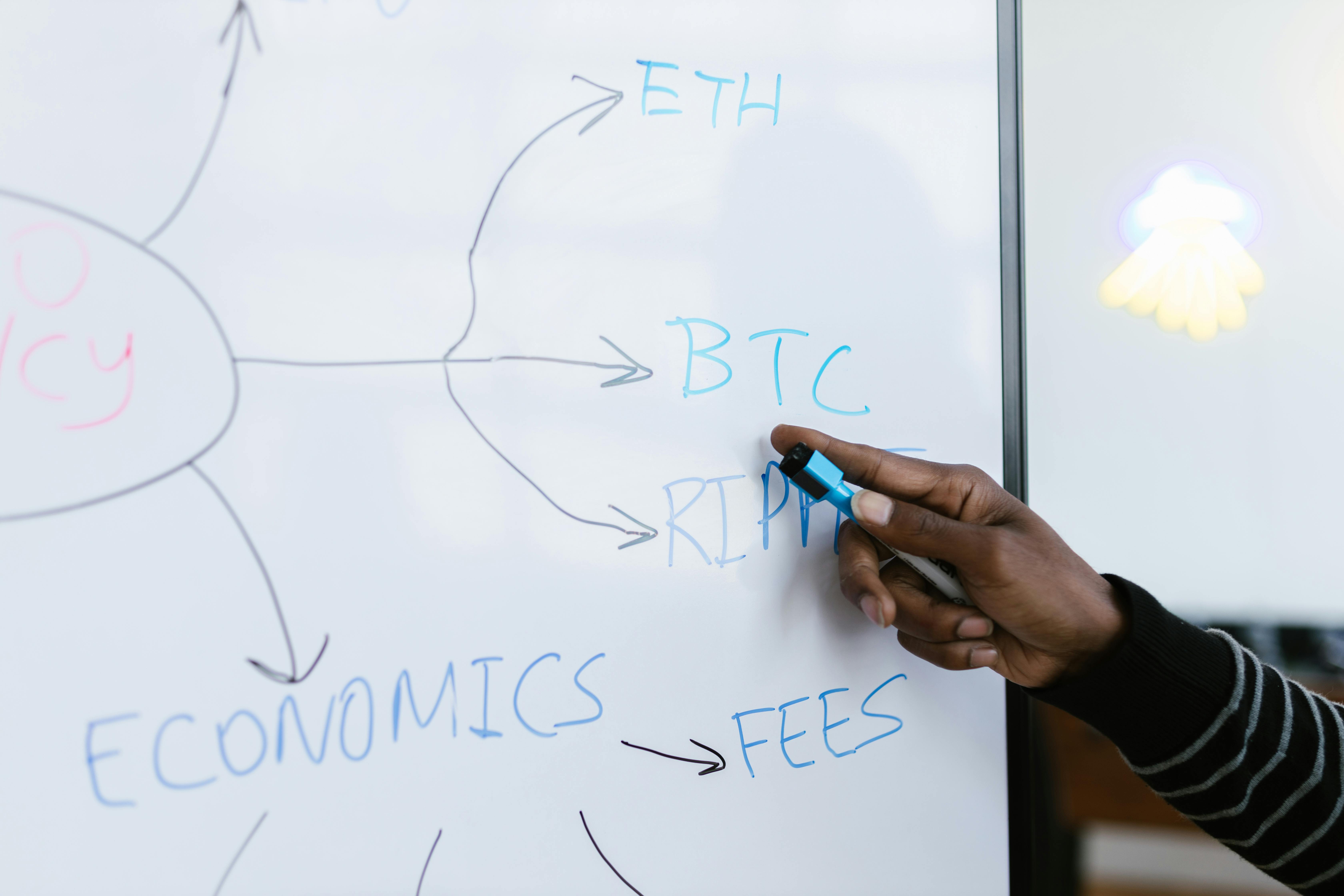
Explore the burgeoning Decentralized Physical Infrastructure Networks (DePIN) sector in 2026, a multi-trillion-dollar opportunity for savvy investors and tech enthusiasts to earn substantial passive income. Discover the top hardware options, compare leading DePIN projects, and learn how to monetize your physical assets in the rapidly evolving Web3 era. This guide provides actionable insights for purchasing and participating in the future of decentralized infrastructure.
Introduction to the Topic
Welcome to 2026, where the promise of Web3 has transcended digital assets and is now fundamentally reshaping our physical world. At the forefront of this revolution are Decentralized Physical Infrastructure Networks, or DePIN. Once a niche concept, DePIN has exploded into a multi-trillion-dollar market, attracting significant capital and millions of participants globally. Imagine a world where the internet, energy grids, sensor networks, and even AI compute power aren't controlled by a handful of corporate giants, but by a vast, distributed network of individuals and small businesses, all incentivized by blockchain tokens. That's the DePIN reality we live in today.
For the average user, DePIN represents an unprecedented opportunity for passive income. By purchasing and deploying specific hardware – be it a wireless hotspot, a data storage device, an AI compute node, or even a specialized sensor – you can become a vital contributor to a global network and earn cryptocurrency rewards for your service. This isn't just about 'mining' in the traditional sense; it's about building, maintaining, and providing real-world utility that powers the next generation of digital services. As the cryptonxtgen.com editorial team, we've seen countless trends, but DePIN stands out for its tangible impact and the clear path it offers to generate significant ROI on physical assets. If you're looking to invest in the future and earn from it, understanding DePIN is non-negotiable.
Backgrounds & Facts
DePIN operates on a simple yet powerful premise: incentivize individuals to deploy and maintain physical hardware that provides a service, and reward them with tokens for their contributions. This model bypasses the need for centralized entities to fund and manage vast infrastructure, instead leveraging the collective power of a decentralized community. The roots of DePIN can be traced back to early blockchain projects attempting to decentralize specific services, but it truly gained traction with the maturation of IoT devices, more efficient blockchain technology, and the growing demand for resilient, censorship-resistant infrastructure.
By 2026, the DePIN landscape has diversified significantly, encompassing several key categories:
- Decentralized Wireless (DeWi): Networks like Helium Mobile have expanded globally, providing affordable internet connectivity and IoT coverage by rewarding users who deploy hotspots.
- Decentralized Storage: Projects such as Filecoin and Arweave offer robust, immutable data storage solutions, with participants earning tokens for contributing their unused disk space.
- Decentralized Compute: Networks like Render Network and Akash Network enable users to rent out their GPU or CPU power for tasks ranging from AI model training and rendering to general cloud computing, creating a global supercomputer.
- Decentralized Sensor Networks: Projects like Hivemapper incentivize users to collect real-world data (e.g., mapping data, environmental readings) using specialized sensors or dashcams.
- Decentralized Energy Grids: Emerging networks are even incentivizing individuals to contribute excess renewable energy to local grids, fostering sustainable and resilient power distribution.
The market capitalization of the DePIN sector crossed the $2 trillion mark in late 2025, with projections indicating it could reach $5 trillion by the end of 2027. This growth is fueled by increasing enterprise adoption seeking cost-effective and resilient infrastructure, alongside millions of retail participants eager to earn passive income. Key technological advancements like more energy-efficient hardware, advanced zero-knowledge proofs for data privacy, and improved interoperability between blockchain networks have further propelled DePIN into the mainstream.
Expert Opinion / Analysis
“DePIN is not just a trend; it’s a paradigm shift in how we build and manage global infrastructure,” states Dr. Anya Sharma, lead analyst at CryptoMetrics Group. “The capital efficiency and resilience offered by decentralized networks are unparalleled. In 2026, we’re seeing major corporations, from logistics to telecommunications, actively exploring and integrating DePIN solutions to cut operational costs and enhance service delivery. The ‘permissionless’ nature of DePIN means innovation can flourish at an incredible pace, unburdened by legacy infrastructure.”
The economic impact is profound. “We estimate that over 10 million individuals globally are now actively earning from DePIN projects, contributing billions in network value annually,” comments Mark Chen, CEO of DePIN Insights. “The beauty of DePIN lies in its accessibility. While some projects require specialized hardware, many allow individuals to leverage existing resources – like unused storage or compute power – turning dormant assets into income-generating ones. The average ROI for early adopters in well-managed DePIN projects has often surpassed 100% annually, making it one of the most attractive passive income streams in Web3.”
However, experts also caution about the need for due diligence. “Not all DePIN projects are created equal,” warns Sarah Jenkins, a blockchain security consultant. “Investors must scrutinize tokenomics, team experience, network adoption, and the actual utility provided. The hardware investment can be significant, so understanding the long-term viability and potential earnings is critical. Regulatory clarity, while improving, still varies by jurisdiction, which is another factor to consider when planning your DePIN strategy.” Despite these considerations, the overwhelming sentiment among industry leaders is that DePIN is set to be one of the most impactful sectors in the coming decade, driving real-world utility and wealth distribution.
💰 Best Options in Comparison (VERY IMPORTANT)
For those ready to dive into the DePIN ecosystem, selecting the right project and hardware is crucial. Your choice will depend on your initial investment capacity, technical comfort, and desired level of involvement. Below, we compare some of the leading DePIN opportunities available in 2026, designed to help you make an informed purchasing decision and maximize your earnings.
- Helium Mobile (Decentralized Wireless): Still a powerhouse in DePIN, Helium Mobile allows users to deploy 5G-compatible hotspots or even use their DePIN-enabled phones to map coverage and earn MOBILE tokens. The network is vast, and the demand for decentralized connectivity continues to grow.
- Render Network / Akash Network (Decentralized Compute): If you have powerful GPUs or CPUs, these networks are your gateway to earning. Render focuses on high-fidelity rendering and AI inference, while Akash provides a broader cloud computing marketplace. Both allow you to rent out your hardware to developers and businesses, getting paid in RNDR or AKT tokens.
- Filecoin / Arweave (Decentralized Storage): For those with ample disk space, becoming a storage provider on Filecoin (FIL) or Arweave (AR) can generate consistent income. These networks are critical for Web3's data backbone, offering robust and permanent storage solutions.
- Hivemapper (Decentralized Mapping): A truly innovative project, Hivemapper rewards users for collecting street-level imagery using specialized dashcams. This data powers a decentralized mapping service, challenging traditional map providers. It's a unique way to earn while driving.
- DIMO (Decentralized Mobility): Connect your car to the DIMO network using their hardware device, and you can earn tokens by contributing your vehicle's data. This data helps build better automotive services, insurance models, and smart city applications.
To help you compare these fantastic opportunities, here's a detailed table:
| DePIN Project | Infrastructure Type | Initial Investment (Hardware Cost Est.) | Potential Monthly Earnings (Est.) | Ease of Setup | Primary Use Case | Target Audience |
|---|---|---|---|---|---|---|
| Helium Mobile | Wireless Connectivity (5G/IoT) | $500 - $1,500 (Hotspot/Phone) | $50 - $300+ (Varies by location/coverage) | Easy to Moderate | Decentralized Mobile & IoT Network | General users, urban dwellers |
| Render Network / Akash Network | Decentralized Compute (GPU/CPU) | $1,000 - $10,000+ (High-end PC/Server) | $100 - $1,000+ (Varies by hardware/demand) | Moderate to Advanced | AI Training, Rendering, Cloud Computing | Tech enthusiasts, developers, gamers |
| Filecoin / Arweave | Decentralized Storage | $500 - $5,000+ (Storage Servers) | $30 - $500+ (Varies by storage provided/demand) | Moderate | Permanent & Decentralized Data Storage | Data centers, home lab owners |
| Hivemapper | Decentralized Mapping (Sensor Data) | $300 - $700 (Specialized Dashcam) | $20 - $200+ (Varies by driving activity/coverage) | Easy | Global Decentralized Mapping Service | Drivers, commuters, delivery services |
| DIMO | Decentralized Mobility (Vehicle Data) | $100 - $250 (Hardware device) | $10 - $100+ (Varies by driving/vehicle data) | Easy | Smart Vehicle Data & Services | Car owners, fleet managers |
Remember, these earnings are estimates and can fluctuate based on network demand, token price, and your contribution level. Always conduct thorough research before making any hardware purchases or financial commitments.
Outlook & Trends
The future of DePIN in 2026 and beyond looks incredibly promising, marked by several key trends. Firstly, we anticipate a significant surge in AI-DePIN convergence. Decentralized compute networks will become the backbone for training and deploying AI models, offering a more democratic and censorship-resistant alternative to centralized cloud providers. This synergy will drive massive demand for compute hardware and data storage.
Secondly, enterprise adoption is set to accelerate. Corporations are increasingly recognizing the cost efficiencies, enhanced security, and resilience offered by DePIN. Expect to see major players in logistics, telecommunications, and even public utilities beginning to integrate DePIN solutions into their core operations, creating stable, high-value demand for network services.
Thirdly, the focus on sustainability and energy efficiency will intensify. As DePIN scales, projects that prioritize green hardware and energy-efficient consensus mechanisms will gain a significant competitive advantage and regulatory favor. Innovations in modular blockchain architecture will also allow DePIN projects to scale more effectively, handling vast amounts of real-world data without compromising performance.
Finally, we expect regulatory frameworks to mature, providing clearer guidelines for DePIN operations and token economics. This clarity will attract even more institutional investment and foster greater mainstream trust. The integration of Soulbound Tokens (SBTs) for reputation and identity within DePIN networks will also enhance trust and accountability among participants, further solidifying the ecosystem's integrity.
Conclusion
The year 2026 marks a pivotal moment for Decentralized Physical Infrastructure Networks. DePIN has transitioned from a speculative concept to a tangible, high-growth sector offering real-world utility and substantial opportunities for passive income. By enabling individuals to contribute to global infrastructure and earn token rewards, DePIN is democratizing wealth creation and empowering communities.
Whether you're looking to turn your spare hard drive space into a data haven, your powerful GPU into an AI engine, or your daily commute into a mapping expedition, there's a DePIN project tailored for you. The options presented – from Helium Mobile to DIMO – offer diverse entry points into this lucrative market. While initial hardware investments and technical understanding are factors, the potential for significant ROI and the satisfaction of contributing to a decentralized future make DePIN an unparalleled investment opportunity in the Web3 space.
The time to research, compare, and invest in the DePIN revolution is now. Don't miss your chance to be part of building the next generation of physical infrastructure, and earning handsomely from it. Visit the websites of these projects, explore their communities, and start your journey towards passive income in the decentralized future today!