
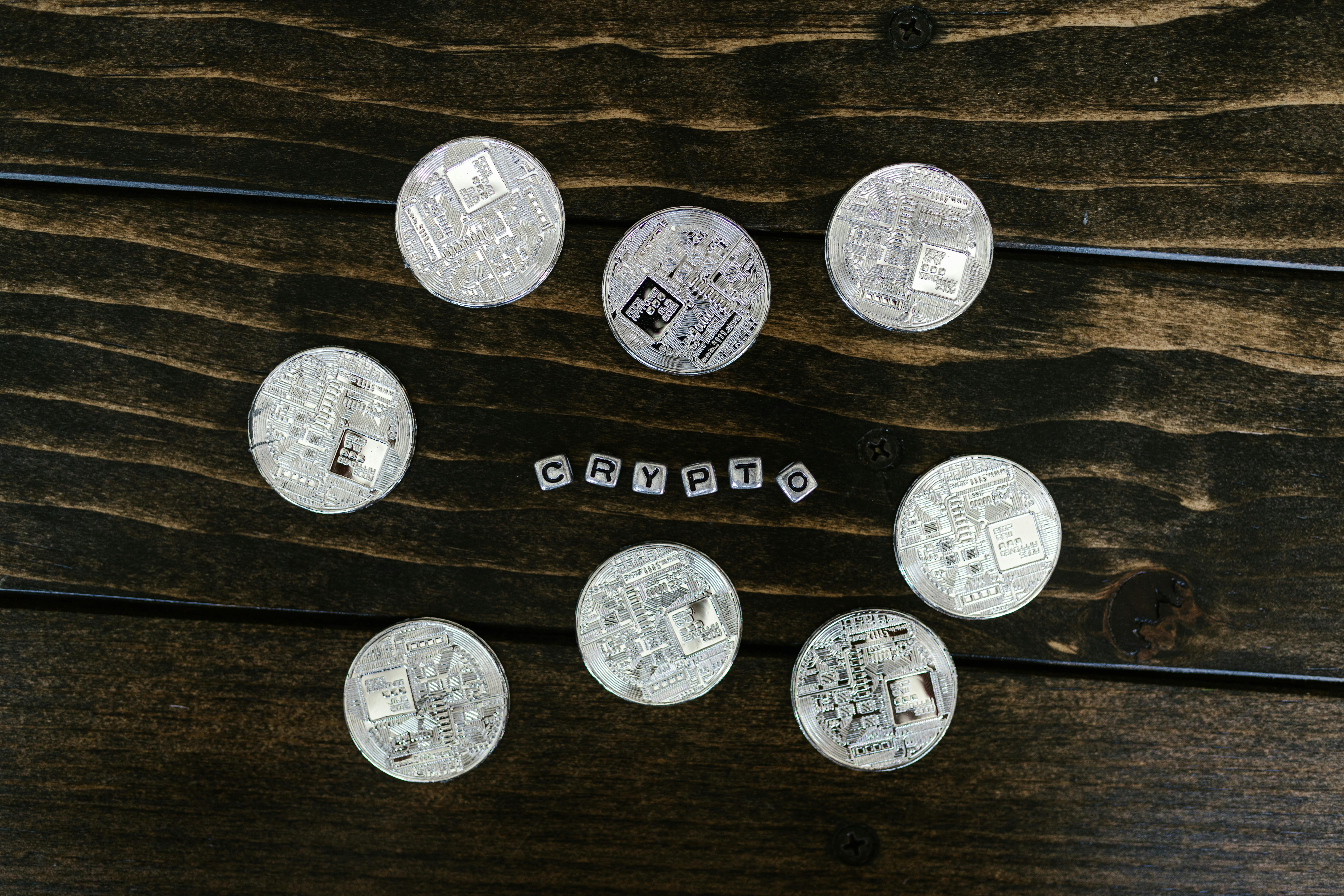
Unlock unparalleled investment opportunities with Real-World Asset (RWA) tokenization in 2026. Discover how tokenized securities, real estate, private equity, and debt are revolutionizing finance, offering enhanced liquidity, fractional ownership, and global accessibility. This deep dive compares leading platforms like Securitize, Centrifuge, and Ondo Finance, guiding you to make informed investment decisions and capitalize on the next wave of blockchain innovation.
Introduction to the Topic
Welcome to 2026, where the digital revolution has transcended mere cryptocurrencies, fundamentally reshaping the financial landscape. The hottest trend captivating institutional investors, savvy retail traders, and forward-thinking enterprises alike is Real-World Asset (RWA) Tokenization. Imagine owning a fractional share of prime commercial real estate in Dubai, a piece of a high-yield private credit fund, or even a classic art masterpiece, all managed with the transparency and efficiency of blockchain technology. This isn't a futuristic pipe dream; it's the present reality, and it's poised to unlock trillions in value.
RWA tokenization involves representing tangible and intangible assets on a blockchain as digital tokens. These assets can range from real estate, commodities, and private equity to intellectual property, carbon credits, and even luxury goods. By transforming illiquid assets into divisible, tradable digital tokens, blockchain technology is democratizing access to exclusive investment opportunities, supercharging liquidity, and streamlining complex financial processes. For investors with purchasing intent, understanding the leading platforms and strategies in this burgeoning sector is not just advantageous—it's essential for maximizing portfolio returns in the coming decade.
Backgrounds & Facts
The journey towards RWA tokenization began subtly over a decade ago with early experiments in security token offerings (STOs), but it's in 2026 that the sector has truly hit its stride. Driving this exponential growth are several critical factors:
- Enhanced Liquidity: Historically, assets like real estate or private equity were illiquid, requiring lengthy and costly transactions. Tokenization allows for near-instantaneous trading on secondary markets, dramatically improving liquidity.
- Fractional Ownership: High-value assets are often out of reach for individual investors. Tokens enable fractional ownership, making investments accessible to a broader audience and diversifying portfolios with smaller capital commitments.
- Transparency & Auditability: Blockchain's immutable ledger provides an unparalleled level of transparency regarding ownership, transaction history, and asset provenance, reducing fraud and increasing trust.
- Operational Efficiency: Smart contracts automate many manual processes—like dividend distribution, voting rights, and compliance checks—reducing administrative costs and speeding up settlements.
- Global Accessibility: Blockchain transcends geographical boundaries, allowing investors from anywhere in the world to participate in markets that were once exclusive to local or institutional players.
According to a 2025 report by the Boston Consulting Group (BCG) and a major digital asset firm, the market for tokenized real-world assets is projected to reach an astounding $16 trillion by 2030, with significant milestones already achieved by 2026. Major financial institutions like BlackRock, Fidelity, and JPMorgan have launched dedicated digital asset divisions, offering tokenized funds and actively exploring tokenization for a wide array of assets. We've seen significant advancements in tokenizing real estate portfolios, private debt instruments, government bonds, and even fine art collections. The infrastructure is maturing, regulatory frameworks are solidifying in key jurisdictions, and the technology is proving its robustness and scalability.
Expert Opinion / Analysis
The rise of RWA tokenization is not without its complexities, yet the consensus among industry leaders is overwhelmingly positive regarding its transformative potential.
“We are witnessing a paradigm shift,” states Dr. Anya Sharma, Head of Digital Assets Strategy at Nexus Global Investments. “RWA tokenization is the bridge that truly connects traditional finance with the efficiency and innovation of decentralized finance. It’s not just about putting assets on a blockchain; it’s about creating new capital markets, unlocking dormant value, and fostering unprecedented financial inclusion. The compliance tools built into smart contracts are a game-changer for regulatory oversight, making digital securities more robust than their traditional counterparts in many aspects.”
However, challenges persist. “Interoperability remains a key hurdle,” cautions Mark Chen, a leading Web3 Economist and founder of CryptoInsights.com. “As various assets are tokenized on different blockchains—Ethereum, Solana, Avalanche, Polygon, and dedicated enterprise chains—ensuring seamless transferability and liquidity across these ecosystems is paramount. Furthermore, the ‘oracle problem’—securely bringing off-chain data (like asset valuations or legal status) onto the blockchain—requires constant innovation and robust auditing. Regulatory fragmentation across different nations also presents a complex landscape that requires careful navigation for global players.”
Despite these challenges, the opportunities far outweigh the risks for those who conduct thorough due diligence. RWA tokenization offers:
- Diversification: Access to previously inaccessible asset classes.
- Yield Generation: New avenues for passive income through tokenized debt, real estate, or revenue-sharing models.
- Capital Efficiency: Faster settlement times and reduced counterparty risk free up capital.
- Portfolio Customization: Granular control over investment exposure through fractional ownership.
The trend towards institutional adoption is irreversible. Major banks are not just observing; they are actively building and investing in the infrastructure necessary for this future. This includes sophisticated custody solutions, compliant issuance platforms, and secondary trading venues tailored for digital securities.
💰 Best Options in Comparison (VERY IMPORTANT)
For investors and businesses looking to dive into the tokenized RWA market in 2026, choosing the right platform is crucial. Here are some of the leading players, catering to different needs and asset classes:
- Securitize: A pioneer in digital securities, Securitize offers an end-to-end platform for the issuance, management, and trading of tokenized private equity, venture capital funds, and real estate. It's highly regulated, catering primarily to institutional investors and accredited individuals seeking compliant access to private markets.
- Centrifuge: Bridging the gap between DeFi and TradFi, Centrifuge specializes in tokenizing real-world credit assets, such as invoices, supply chain finance, and real estate loans. It allows investors to provide liquidity to these asset pools and earn attractive, often stablecoin-denominated, yields within the decentralized finance ecosystem.
- Ondo Finance: Focused on bringing institutional-grade yield strategies to the blockchain, Ondo Finance offers tokenized versions of U.S. Treasuries, money market funds, and other fixed-income products. It provides a secure, regulated on-ramp for stablecoin holders to access traditional financial yields directly on-chain, attracting both institutional and sophisticated retail investors.
To help you compare and select the best option for your investment goals, consider the following table:
| Feature / Platform | Securitize | Centrifuge | Ondo Finance |
|---|---|---|---|
| Primary Focus | Regulated Digital Securities Issuance & Trading (Private Markets) | DeFi for Real-World Credit & Income Assets | Tokenized Traditional Financial Products (e.g., US Treasuries) |
| Key Asset Classes | Private Equity, Venture Capital Funds, Real Estate, Debt, Funds | Invoices, Supply Chain Finance, Real Estate Loans, Credit Assets | US Treasuries, Money Market Funds, Bond ETFs |
| Target Audience | Institutional Investors, Accredited Investors, Fund Managers | DeFi Users, DAOs, Sophisticated Retail Investors, Institutions | Institutions, High-Net-Worth Individuals, Stablecoin Holders |
| Regulatory Focus | SEC-compliant (US), Global Securities Regulations | Emphasis on legal wrappers for on-chain assets, less direct regulatory entity | High compliance for underlying traditional assets, regulated fund structures |
| Underlying Blockchain(s) | Ethereum, Avalanche, Algorand (Multi-chain approach) | Centrifuge Chain (Polkadot ecosystem), Ethereum | Ethereum, Polygon, Solana (Multi-chain approach) |
| Liquidity Model | Secondary trading via ATS (Alternative Trading System) | DeFi liquidity pools, direct lending protocols | On-chain redemption, secondary market for tokenized funds |
| Typical Fees | Issuance fees (for issuers), trading fees (for investors) | Protocol fees, interest rate spreads for lenders/borrowers | Management fees for underlying funds, redemption fees |
When selecting a platform, consider your risk tolerance, desired asset exposure, regulatory comfort, and whether you prefer a TradFi-integrated approach or a more DeFi-native experience. Always perform your own due diligence and consult with a financial advisor.
Outlook & Trends
The trajectory of RWA tokenization in 2026 and beyond is nothing short of revolutionary. Several key trends are emerging:
- AI-Powered Valuation & Compliance: Artificial intelligence will play an increasingly vital role in real-time asset valuation, predictive analytics for risk assessment, and automated compliance monitoring for tokenized securities. AI-driven oracles will enhance the reliability of off-chain data feeds.
- Cross-Chain Interoperability: Solutions like Polkadot's XCM, LayerZero, and specialized bridging protocols will facilitate seamless transfers and composability of tokenized assets across diverse blockchain networks, unlocking unprecedented liquidity.
- Global Regulatory Harmonization: Expect to see more coordinated efforts from international bodies (e.g., G20, IOSCO) to establish clearer, more unified regulatory frameworks for digital assets, reducing jurisdictional arbitrage and fostering global adoption.
- Expansion into New Asset Classes: Beyond traditional finance, we'll see further tokenization of intellectual property rights, carbon credits, sports club ownership, music royalties, and even digital identities, creating entirely new markets.
- Enterprise Blockchain Solutions: Large corporations will increasingly use private or consortium blockchains for internal RWA tokenization, streamlining supply chains, managing inventories, and facilitating inter-company financing.
- Layer 2 & App-Chains for RWA: Specialized Layer 2 solutions and application-specific blockchains will emerge, optimized for the unique requirements of various RWA types, offering tailored scalability, privacy, and compliance features.
The synergy between blockchain, AI, and robust regulatory environments is creating a powerful trifecta that will accelerate the mainstream adoption of tokenized assets, making them an indispensable component of every diversified investment portfolio.
Conclusion
Real-World Asset tokenization is not just a trend; it is the inevitable evolution of finance. In 2026, it represents a mature, high-growth sector offering unprecedented opportunities for investors to gain exposure to previously inaccessible asset classes, enhance portfolio liquidity, and benefit from the efficiencies of blockchain technology. Whether you're an institutional player seeking compliant digital securities or a sophisticated investor looking for high-yield DeFi opportunities, the platforms discussed—Securitize, Centrifuge, and Ondo Finance—offer compelling pathways into this transformative market.
As the digital and traditional financial worlds continue to converge, understanding and actively participating in RWA tokenization will be paramount for securing a competitive edge. The trillions of dollars poised to flow into this sector are a testament to its potential. Arm yourself with knowledge, conduct your due diligence, and position your portfolio to capture the immense value that tokenized real-world assets are set to unleash. The future of finance is here, and it's tokenized. Don't just observe it—invest in it.