


Utility vs governance tokens is straight up confusing me again tonight. Here I am in my apartment in California—January 8, 2026, it’s been raining nonstop, my window’s fogged up, and I’ve got like three half-empty energy drink cans on the desk from grinding charts all evening. Seriously, diving into this token sphere stuff feels like trying to explain quantum physics after too much coffee.
I still cringe thinking about my first big governance token buy back in the 2021 bull. Aped into some DAO thing, thought I’d be voting on the future or whatever. Voted on one proposal—something about liquidity incentives—got wrecked by bigger holders, token tanked hard. Felt like such a noob, staring at my phone in the dark, heart sinking. Anyway, years later I’m still in this mess, but at least I know better now… mostly.

Utility, Governance, or Loyalty? A Deep Dive into Token Types and …
Why Utility Tokens Feel More Reliable to Me (Usually)
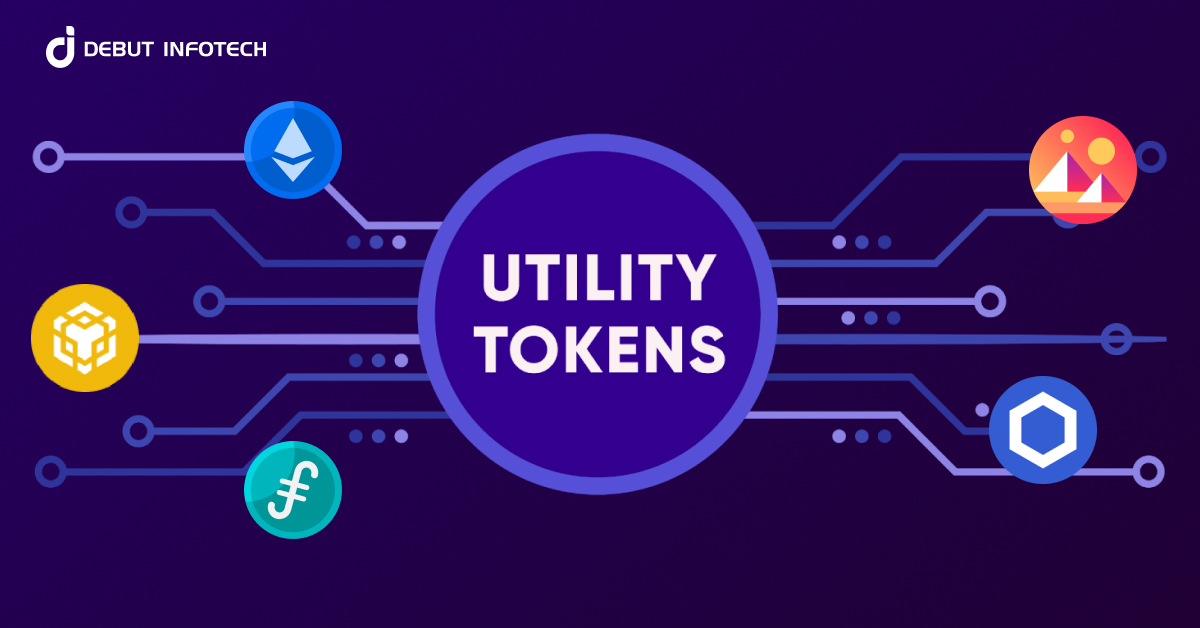
Utility tokens are the ones you actually use, ya know? Like ETH for gas fees, or FIL for storing files on Filecoin decentralized. They’re tied to the platform doing real shit—if people use it, demand goes up. No fake power trips.
But I gotta be honest, I’ve been burned here too. Loaded up on a “pure utility” play for some NFT marketplace perk token. Project pivoted, utility gone, bag down 90%. That one stung bad—remember refreshing the wallet app over breakfast, coffee going cold. Here’s a deeper dive if you wanna geek out.
Governance Tokens: The Dream and the Nightmare
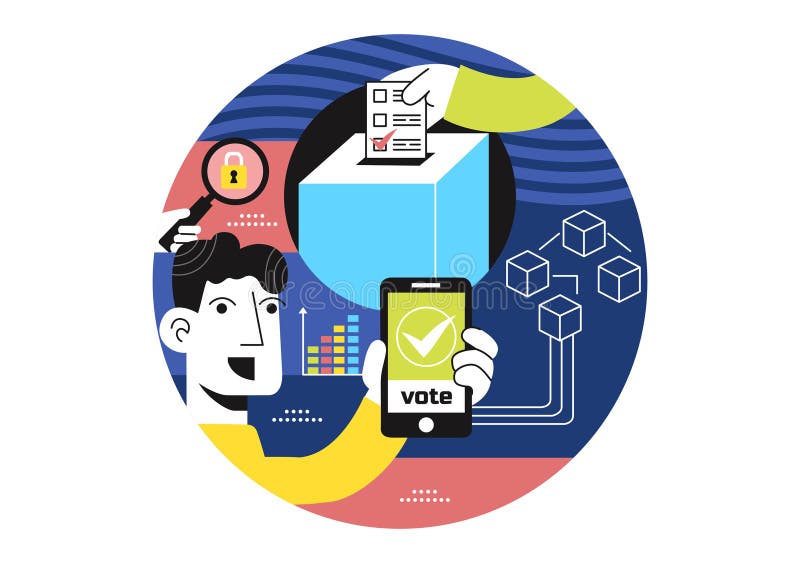
Governance tokens give you votes—UNI for Uniswap swaps changes, AAVE for lending params, MKR for Dai stability. On paper, it’s community owned, decentralized magic.
In reality? Often whale dominated. I delegated votes in a couple DAOs last year, felt involved for a sec, then saw turnout like 5% and proposals from VCs passing easy. Slightly embarrassing: I once rage-posted in a governance forum about unfair distributions, got downvoted to oblivion, logged off for weeks. Still, when DAOs work right, it’s dope—check Coinbase’s explainer.

Utility Vs Governance Tokens: My Quick ‘n Dirty Breakdown
Let’s rant this out like I’m texting a buddy:
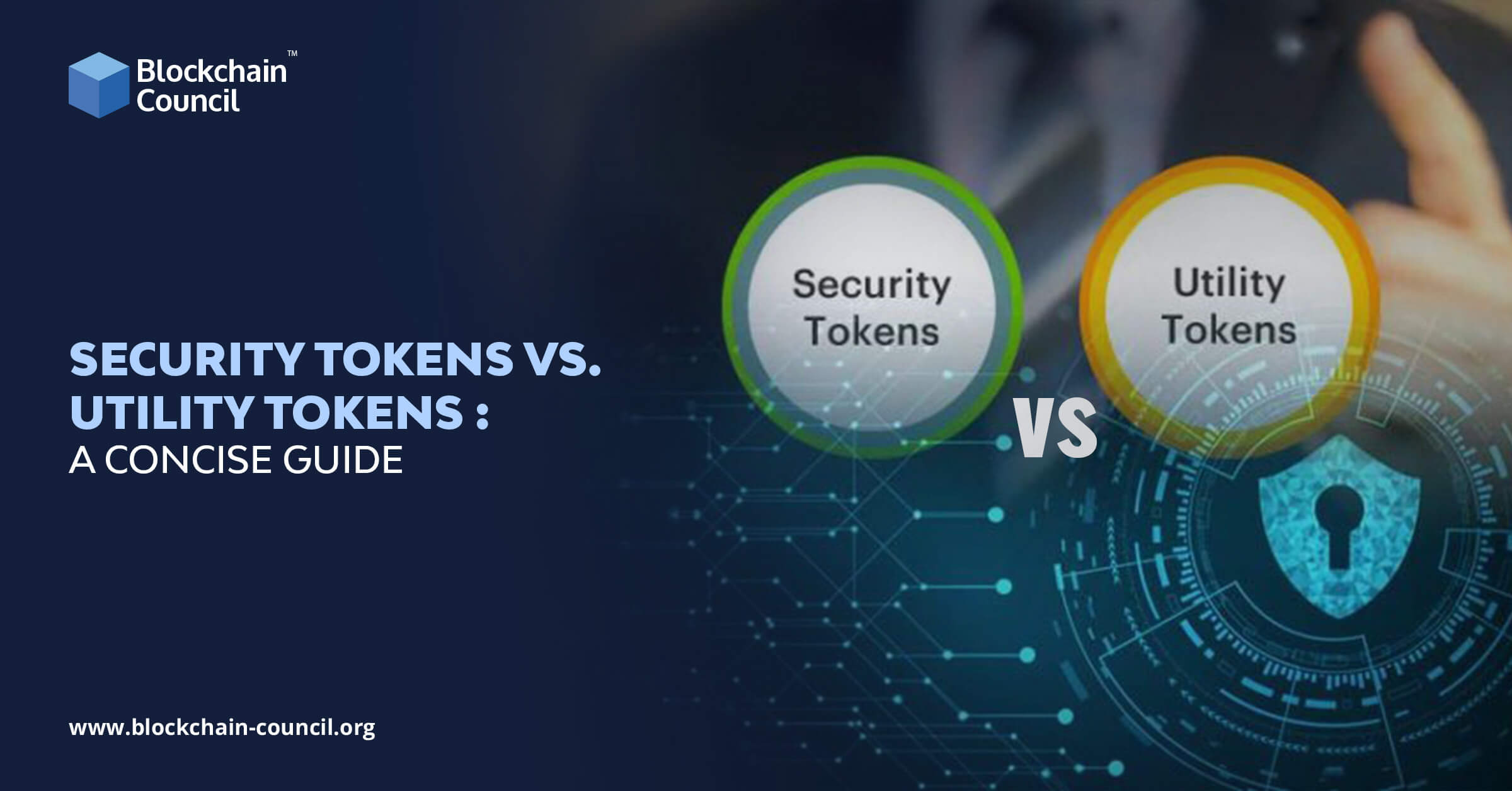
- Main Job: Utility = pay for stuff/access features. Governance = propose/vote on upgrades.
- What Pumps ‘Em: Utility from actual usage growth; governance from good decisions + sometimes fee shares.
- Big Risks: Utility flops if no one uses the dapp; governance gets apathetic or centralized.
- Hybrids Exist: Lots blur lines now, like some tokens doing both.
Shoutout to this solid comparison guide for inspo.

Dumb Mistakes I’ve Made (Don’t Repeat, Plz)
FOMOing into hype governance without checking voter data. Or thinking utility means “safe”—nah, projects die fast. Now I check on-chain metrics more, stake sparingly. Mix your portfolio: some steady utility, splash of governance upside.
One more link for real-world types.
Okay, Wrapping This Tired Ramble
Look, utility vs governance tokens in the whole token sphere ain’t perfect categories—lots overlap, regs changing (SEC eyes everywhere), and 2026 hybrids might fix some DAO bs. I’m still learning, still screwing up trades, still hooked.
You got stories? Governance wins or utility rugs? Comment or DM on X. Go poke around CoinMarketCap DAOs and build a balanced bag. Catch ya—need more coffee. ☕🚀