
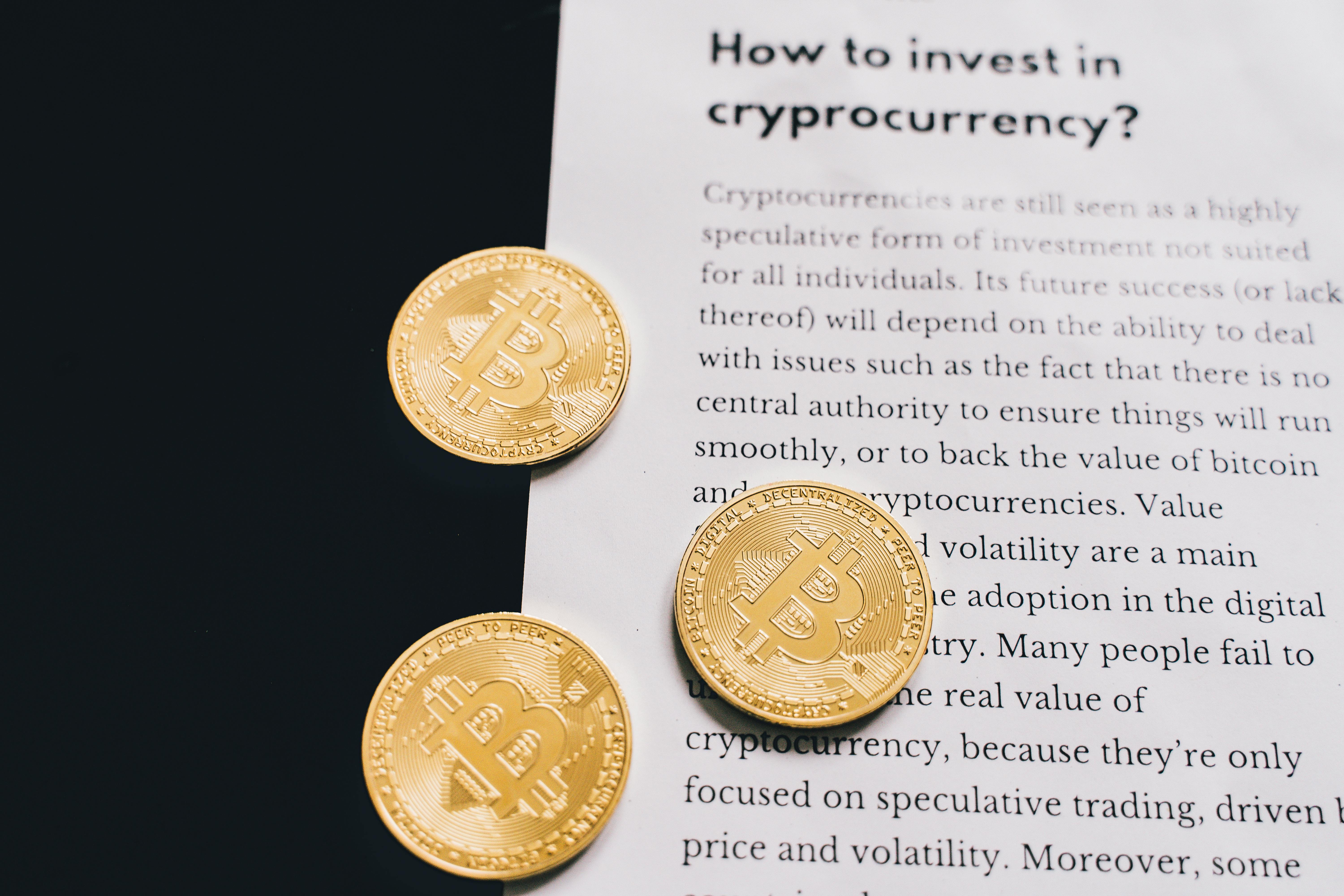
In 2026, Bitcoin isn't just a speculative asset; it's a cornerstone of sophisticated investment portfolios. This in-depth guide explores the evolving landscape of Bitcoin investment, from regulated spot ETFs and robust self-custody solutions to advanced managed funds. Discover the strategies savvy investors are employing to maximize returns, fortify security, and leverage BTC for long-term wealth accumulation amidst a maturing digital asset ecosystem. Your blueprint for Bitcoin financial freedom starts here.
Introduction to the Topic
Welcome to 2026, a pivotal year where Bitcoin (BTC) has firmly cemented its position not just as 'digital gold,' but as a legitimate, integral component of global finance. The once nascent and volatile asset has matured, attracting unprecedented institutional capital, sovereign wealth fund interest, and a burgeoning ecosystem of financial products designed for every type of investor. Gone are the days when Bitcoin was solely the domain of tech enthusiasts and early adopters. Today, it’s a strategic asset class, offering unparalleled opportunities for wealth creation and portfolio diversification in an increasingly digital world.
This article from cryptonxtgen.com is your definitive guide to navigating the sophisticated world of Bitcoin investment in 2026. We'll delve into the most effective strategies, compare the leading investment vehicles, and provide actionable insights to help you make informed decisions. Whether you're a seasoned investor looking to optimize your BTC holdings or a newcomer seeking secure entry points, understanding the current landscape of Bitcoin ETFs, self-custody solutions, and managed funds is crucial for capitalizing on its continued ascent.
Backgrounds & Facts
The journey of Bitcoin from an obscure whitepaper in 2008 to a multi-trillion-dollar asset in 2026 has been nothing short of revolutionary. A decade and a half of relentless innovation, growing public awareness, and increasing regulatory clarity have transformed BTC into a globally recognized store of value and a powerful hedge against inflation and economic instability. Key milestones have punctuated this evolution:
- Regulatory Maturation: By 2026, major global economies have established clearer regulatory frameworks for digital assets. The long-awaited approval and subsequent widespread adoption of spot Bitcoin Exchange-Traded Funds (ETFs) in leading financial markets have been game-changers, providing traditional investors with a familiar, regulated gateway to Bitcoin exposure without the complexities of direct ownership.
- Institutional Influx: Pension funds, endowments, and corporate treasuries, once hesitant, now routinely allocate a portion of their portfolios to Bitcoin. This institutional validation has brought increased liquidity, stability, and legitimacy to the market, significantly reducing its historical volatility.
- Technological Resilience: The underlying Bitcoin network has proven its robustness and security over years of operation, processing trillions of dollars in transactions without a single major hack or downtime. Layer 2 solutions like the Lightning Network have also seen significant adoption, enabling micro-transactions and enhancing Bitcoin's utility for everyday payments, further solidifying its long-term viability.
- Macroeconomic Tailwinds: Persistent global inflationary pressures, coupled with geopolitical uncertainties and the continued devaluation of fiat currencies, have propelled Bitcoin's narrative as a scarce, censorship-resistant store of value. It's increasingly viewed as a crucial component of a diversified portfolio, offering a hedge against traditional market risks.
These developments have created an environment where Bitcoin investment is not just accessible, but also strategically imperative for those seeking to preserve and grow their capital in the coming decades.
Expert Opinion / Analysis
Leading financial strategists and digital asset analysts widely agree that Bitcoin's trajectory in 2026 is one of continued integration into the global financial fabric. Dr. Anya Sharma, Chief Crypto Economist at Nexus Analytics, states, "Bitcoin has moved beyond being merely an 'alternative asset.' It is now a primary digital reserve asset, fundamentally altering how we perceive and manage wealth. Its correlation with traditional markets continues to evolve, offering unique diversification benefits."
The consensus amongst experts is that while Bitcoin's exponential growth phases might temper as it matures, its sustained value appreciation is highly probable due to its fixed supply, increasing utility, and expanding adoption. "We're witnessing the 'financialization' of Bitcoin," observes Marcus Thorne, a veteran portfolio manager specializing in digital assets. "The availability of sophisticated products like spot ETFs, combined with advancements in self-custody solutions, means investors now have a spectrum of choices to align with their risk tolerance and investment goals. The key is understanding the nuances of each option to optimize for both returns and security."
Analysts also highlight the importance of viewing Bitcoin as a long-term strategic holding. While short-term trading opportunities persist, the fundamental value proposition of Bitcoin lies in its deflationary nature and its role as a hedge against systemic financial risks. "The smart money isn't just buying Bitcoin; it's holding it with conviction, leveraging advanced strategies to generate yield where appropriate, and prioritizing secure, verifiable ownership," adds Sharma. This expert consensus underscores the need for a well-thought-out investment approach, moving beyond mere speculation to strategic wealth management.
💰 Best Options in Comparison (VERY IMPORTANT)
For investors seeking to capitalize on Bitcoin's enduring value in 2026, the landscape offers several distinct pathways, each with its own advantages and considerations for accessibility, security, and control. Choosing the right option depends on your technical comfort, desired level of control, and investment objectives.
- Regulated Bitcoin Spot ETFs: These funds offer the easiest and most familiar entry point for traditional investors. Traded on major stock exchanges, they track the real-time price of Bitcoin, allowing you to gain exposure through your existing brokerage account. This option eliminates the need for managing private keys or understanding blockchain intricacies, making it ideal for those who prefer a hands-off approach within a regulated financial framework. However, you don't directly own the underlying Bitcoin, and management fees apply.
- Self-Custody (Hardware Wallets): For those prioritizing ultimate security and direct ownership, self-custody using a hardware wallet is paramount. Devices from reputable manufacturers like Ledger, Trezor, or Coldcard allow you to store your Bitcoin's private keys offline, protecting them from online threats and exchange hacks. This method grants you complete control over your assets but requires diligence in managing your seed phrase and understanding security best practices. It's the choice for investors who embrace the core ethos of "not your keys, not your coin."
- Managed Bitcoin Funds & Digital Asset Platforms: These options bridge the gap between full self-custody and ETFs. Managed funds, often offered by specialized digital asset managers, provide professional management and may employ advanced strategies (e.g., yield generation through lending to institutional borrowers, though careful due diligence is required on the platform's risk management). Reputable digital asset platforms (beyond basic exchanges) can offer secure custodial services combined with features like interest-bearing accounts or simplified purchase plans. While offering convenience and potentially higher returns than simply holding, they introduce a degree of counterparty risk and typically involve higher fees.
To help you decide, here's a comprehensive comparison:
| Investment Method | Accessibility | Security Level | Direct Ownership | Fees/Costs | Target Investor | Key Benefit | Key Drawback |
|---|---|---|---|---|---|---|---|
| Bitcoin Spot ETF | Very High (Brokerage) | Regulated Custody | No | Management Fees | Traditional, Passive | Ease of Access, Familiarity | No Direct Control |
| Self-Custody (Hardware Wallet) | Medium (Requires Setup) | Highest (User Control) | Yes | Hardware Cost | Security-Focused, Tech-Savvy | Ultimate Control & Security | User Responsibility, Complexity |
| Managed Funds/Platforms | High (Platform Account) | Varies (Platform Custody) | No (Indirect) | Management/Platform Fees | Hands-Off, Yield-Seeking | Professional Management, Potential Yield | Counterparty Risk, Higher Fees |
Outlook & Trends
Looking beyond 2026, the trajectory for Bitcoin and the broader digital asset space remains overwhelmingly positive. Several key trends are expected to shape its future:
- Further Institutional Integration: Expect to see Bitcoin integrated into more traditional financial products, from retirement accounts to insurance policies. The line between traditional finance and digital assets will continue to blur, making BTC an even more ubiquitous investment option.
- Technological Advancements: Innovations in Layer 2 scaling solutions, privacy enhancements (e.g., Taproot adoption, potential for more robust confidential transactions), and cross-chain compatibility will enhance Bitcoin's utility and efficiency, driving broader adoption for various use cases beyond just a store of value.
- Evolving Regulatory Landscape: While significant progress has been made, regulatory frameworks will continue to evolve, especially concerning global standardization, tax implications, and consumer protection. Clearer rules will attract even more capital and innovation.
- Geopolitical Influence: Bitcoin's role as a neutral, uncensorable asset will gain even more prominence in a fragmented global economy. Sovereign nations and international bodies will increasingly grapple with its implications for monetary policy and economic sovereignty.
- Energy Efficiency & Sustainability: The Bitcoin mining industry will continue its rapid shift towards renewable energy sources and more efficient hardware. By 2030, a significant majority of Bitcoin's energy consumption is projected to come from sustainable sources, addressing environmental concerns and strengthening its long-term narrative.
These trends collectively paint a picture of Bitcoin solidifying its role as a foundational element of the future global financial system, offering robust growth potential for informed investors.
Conclusion
In 2026, Bitcoin stands as a testament to financial innovation and resilience, offering a compelling opportunity for investors worldwide. Its maturation has presented a diverse array of investment pathways, each tailored to different risk appetites and control preferences. Whether you opt for the regulated convenience of a Bitcoin spot ETF, the unyielding security of self-custody with a hardware wallet, or the professionally managed approach of specialized funds, the imperative remains the same: informed decision-making is paramount.
By understanding the nuances of each option and aligning them with your personal financial goals, you can strategically position your portfolio to capitalize on Bitcoin's continued growth and its evolving role as a cornerstone of digital wealth. The time to build your Bitcoin blueprint for long-term financial freedom is now. Explore these options, conduct your due diligence, and secure your stake in the future of finance.