
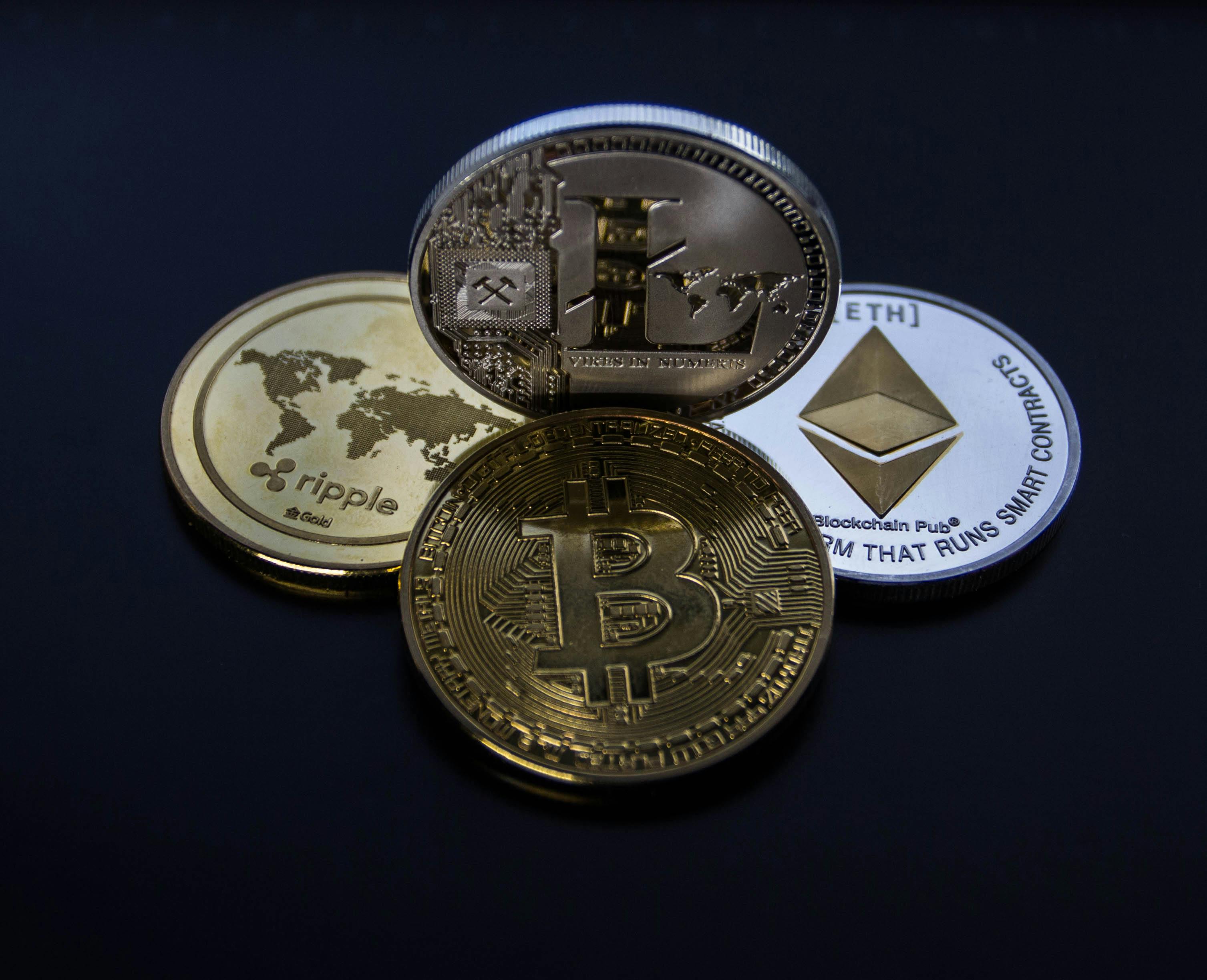
A seismic shift just rocked the crypto world. The whispers are over, the debates are done. New, sweeping regulations have dropped, and they’re not just changing the game – they’re deciding your digital future. Your portfolio, your privacy, your very access to decentralized finance: all hang in the balance. Are you prepared for what comes next, or will you be left behind as the new financial order takes shape? The time for speculation is over. The time for action is NOW.
🔥 What's Happening Right Now
The digital frontier, once celebrated for its wild, untamed spirit, has just been demarcated by a global regulatory shockwave with its epicenter firmly in the United States. For years, the crypto community thrived in a perceived legal vacuum, fostering unparalleled innovation and unprecedented wealth creation. But that era, as we knew it, is over. What we’re witnessing is not merely a tweak but a fundamental restructuring of the digital asset landscape, poised to redefine how Americans interact with cryptocurrencies, from Bitcoin to the smallest altcoin, from NFTs to DeFi protocols.
The U.S. government, through various agencies including the Securities and Exchange Commission (SEC), the Commodity Futures Trading Commission (CFTC), the Treasury Department, and even the IRS, has unleashed a torrent of new guidelines, enforcement actions, and legislative proposals. This isn't a piecemeal approach; it's a coordinated effort to bring digital assets under the existing financial regulatory umbrella, or create new ones where deemed necessary. The rhetoric has shifted from cautious observation to firm assertion of authority, driven by concerns over consumer protection, market integrity, national security, and financial stability.
Specific actions include, but are not limited to, the SEC’s aggressive stance on classifying numerous cryptocurrencies as unregistered securities, leading to high-profile lawsuits against major exchanges and project developers. This has created immense uncertainty, pushing some platforms to delist certain tokens or cease operations in the U.S. entirely. Simultaneously, there's a strong push for stablecoin regulation, with lawmakers and regulators aiming to ensure these crucial digital dollar alternatives are backed 1:1 and operate with appropriate reserves, potentially transforming them into highly regulated financial instruments akin to bank deposits.
Furthermore, the IRS is sharpening its focus on crypto tax compliance, demanding more detailed reporting from exchanges and actively pursuing non-compliant individuals. The Treasury Department, through FinCEN, is scrutinizing decentralized finance (DeFi) protocols and mixers, viewing them as potential avenues for illicit finance, which could lead to unprecedented KYC/AML requirements extending deep into the "permissionless" world. This isn't just about preventing crime; it's about establishing oversight and control over a rapidly expanding financial ecosystem that has largely operated outside traditional governmental purview.
The global implications are immediate and profound. As the world's largest economy and a major financial hub, U.S. regulatory decisions cast a long shadow. Other nations often look to the U.S. for precedent, meaning what happens here today could be replicated across Europe, Asia, and beyond tomorrow. The "global shockwave" is real: projects facing U.S. regulatory hurdles are reconsidering their global strategies, exchanges are segmenting their services by jurisdiction, and investors worldwide are watching to see if their own governments will follow suit. This isn't just about compliance; it's about the future architecture of money, finance, and digital ownership.
💡 Financial Impact
The financial reverberations of these new regulations are already being felt, and they promise to reshape investment strategies, market dynamics, and the very structure of the crypto economy for years to come. For the savvy investor, this period of upheaval isn't just a threat; it's an unparalleled opportunity to reposition portfolios for the next bull cycle, but only if you understand the nuanced shifts at play.
Firstly, the immediate impact on asset values is palpable. Cryptocurrencies deemed "securities" by regulators face significant headwinds. Projects struggling with compliance, or those unwilling to adapt, could see their tokens devalue as institutional interest wanes and legal costs mount. Conversely, assets that clearly fit into existing commodity frameworks (like Bitcoin, and potentially Ethereum post-merge) or those that are actively pursuing regulatory clarity and compliance, are likely to gain a significant advantage. This regulatory "flight to quality" could see increased institutional adoption and capital flow into assets perceived as "safe" and compliant.
Stablecoins, once a cornerstone of crypto trading and DeFi, are entering a new era. While increased regulation aims to bolster their stability and trustworthiness, it also means potentially higher operational costs for issuers, stricter auditing requirements, and potentially reduced anonymity. This could lead to a consolidation of the stablecoin market, with only the most robust and compliant offerings surviving, thereby impacting liquidity and trading strategies across the board.
DeFi, the decentralized finance movement, faces perhaps the most existential challenge. Regulators are keen to bring "unlicensed financial activities" under their purview, regardless of their decentralized nature. This could mean increased pressure on front-end interfaces, liquidity providers, and even core developers to implement KYC/AML measures. While true decentralization aims to resist such mandates, the practical reality for many users interacting with DeFi through centralized gateways or easily identifiable wallets means increased scrutiny. The financial impact here is a potential bifurcation: a highly compliant, permissioned DeFi ecosystem attracting institutional capital, alongside a more resilient, truly permissionless (but potentially smaller and riskier) underground scene.
For investors, this translates into a critical need for due diligence. Blindly investing in altcoins without understanding their regulatory risk profile is now a perilous gamble. The focus shifts from pure technological innovation to a blend of innovation *and* regulatory viability. Projects with clear legal counsel, proactive engagement with regulators, and a transparent operational model will command a premium. This also means a potential boom for "RegTech" solutions within crypto – companies building tools for compliance, identity verification, and secure data reporting.
Furthermore, the financial impact extends to taxation. Increased regulatory clarity, while beneficial for long-term planning, also means heightened enforcement. The IRS will have more tools and data to track crypto transactions, making tax evasion significantly riskier. Investors must now prioritize meticulous record-keeping and understand the tax implications of every transaction, from trading to staking to earning yield. Ignoring this aspect could lead to severe penalties, eroding potential gains.
In essence, the financial landscape is undergoing a maturation process. The "wild west" is giving way to a more structured, albeit potentially less free, environment. This shift will favor disciplined investors who prioritize long-term sustainability, compliance, and fundamental value over speculative hype. It will also create new avenues for wealth creation in compliant infrastructure, institutional services, and legally sound digital asset products. The question isn't whether crypto will survive, but which parts will thrive, and how you position yourself to capture that value.
💰 Best Options in Comparison
Navigating this new regulatory landscape requires a strategic approach. There's no one-size-fits-all solution, but by understanding your risk tolerance and investment goals, you can position yourself for success. Here are some of the best options for investors looking to thrive in this new regulated crypto era:
| Option | Description | Pros | Cons | Recommended Actions/Assets |
|---|---|---|---|---|
| The Compliant Investor | Focus on digital assets and platforms that are actively seeking or have achieved regulatory approval and clarity. Prioritizes security and legal standing. |
|
|
|
| The DeFi Defender | Prioritizes true decentralization and privacy, seeking to remain outside or at the edges of traditional financial control, while understanding associated risks. |
|
|
|
| The Opportunistic Trader | Leverages market volatility and regulatory news for short-to-medium term gains. Requires deep market understanding and risk management. |
|
|
|
| The Long-Term Hodler (Re-Evaluated) | Maintains a long-term perspective but critically re-evaluates existing holdings in light of new regulations, pruning risky assets and reinforcing compliant ones. |
|
|
|
Conclusion
The "GLOBAL CRYPTO SHOCKWAVE" is not a fleeting tremor; it is a foundational event that will redefine the digital economy for decades. The new regulations, particularly those emanating from the United States, have indeed decided the broad strokes of our digital future: it will be a future of increased oversight, greater accountability, and a clearer distinction between compliant and non-compliant digital assets. For many, this might feel like a loss of the very freedom that attracted them to crypto in the first place.
However, this is not an end, but a transformation. The digital future is decided in its regulatory framework, but *your* future within it is still entirely within your control. This period of intense change presents a critical juncture, separating those who adapt and thrive from those who fail to grasp the evolving landscape. The era of blind speculation is over; the era of informed, strategic investment has begun. The opportunities for wealth creation, for building robust digital businesses, and for leveraging blockchain technology are still immense, but they now demand a new level of sophistication and due diligence.
At cryptonxtgen.com, we understand that uncertainty breeds both fear and opportunity. We are committed to being your indispensable guide through this turbulent yet transformative period. Staying informed, understanding the nuances of each regulatory shift, and strategically repositioning your assets are paramount. Don't let fear paralyze you; let knowledge empower you. Embrace the changes, adapt your strategies, and prepare to seize the unprecedented opportunities that emerge from this new, regulated digital world. Your financial future isn't just decided by regulators; it's decided by the actions you take today. Make them count.