
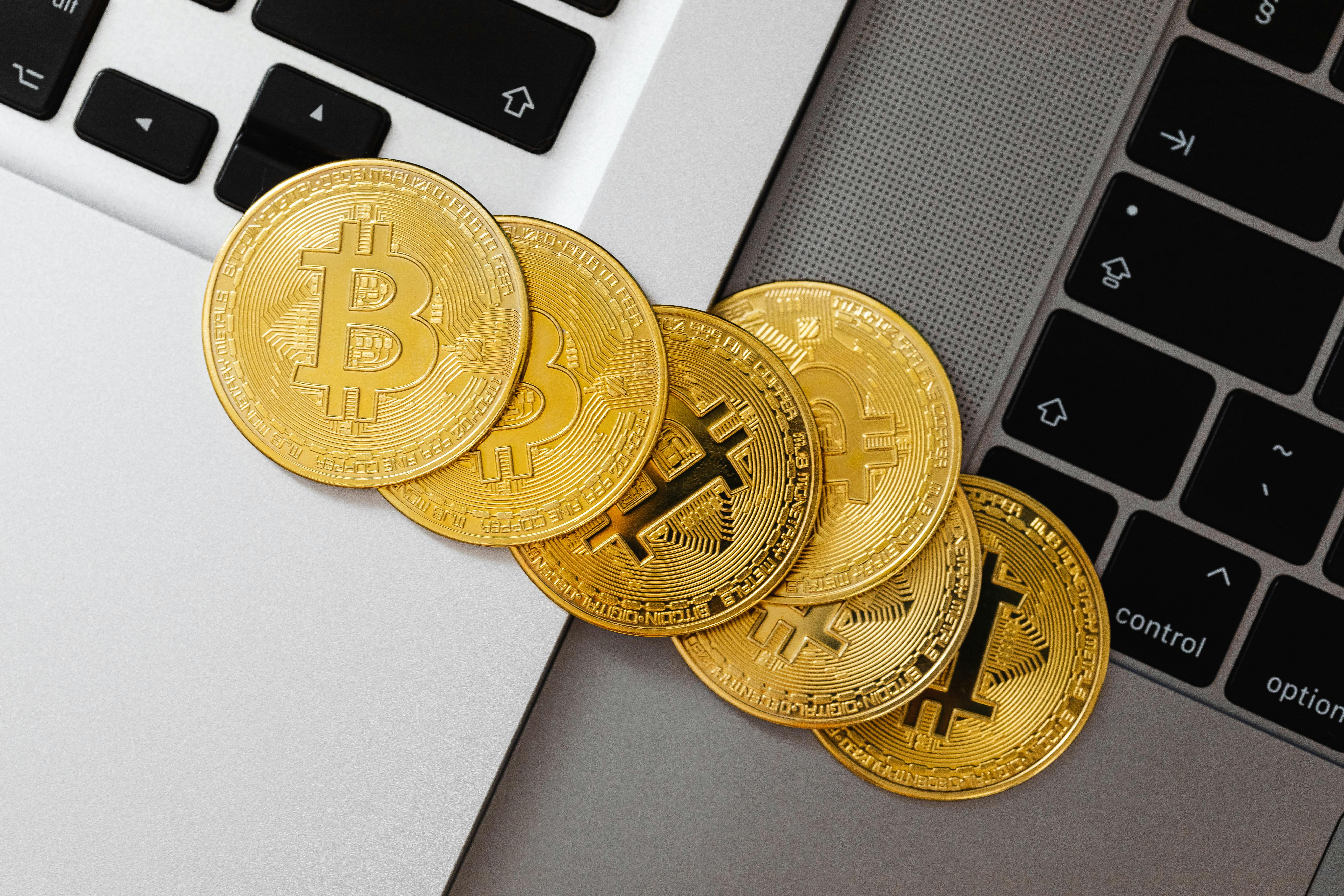
Unlock crypto profits in 2026! Our beginner's guide explores mining & staking trends, comparing options to maximize your earnings with expert US market insights.
💰 Secure Top Deal: Go straight to the offer →
📍 More from this category: Mining & Staking – All Articles
Introduction: The Real Story Behind Maximizing Crypto Profit in 2026
Best Altcoins 2026: Ultimate Comparison →
Forget the hype cycles of yesteryear. In 2026, the digital asset landscape has matured, offering more sophisticated yet accessible avenues for wealth generation beyond simply "buying low and selling high." For the savvy American investor looking to build a robust crypto portfolio, understanding the twin pillars of network security and passive income – mining and staking – is no longer optional; it’s essential. But the game has changed dramatically. The days of casual GPU mining in your garage for quick Bitcoin are long gone, and staking has evolved far beyond basic wallet rewards. This article cuts through the noise, providing a crystal-clear roadmap for beginners to navigate the complexities of mining and staking in 2026, revealing the strategic shifts and technological advancements you need to know to maximize your dollar profit.
We’re not just talking about theoretical gains; we’re dissecting the practical realities, the energy costs in Kansas versus California, the regulatory nuances from Washington D.C., and the innovations emerging from Silicon Valley that are reshaping how everyday Americans can earn passive income in the crypto space. Prepare to dive deep into the 2026 trends that will define profitability, empowering you to make informed decisions and transform your digital assets into a consistent revenue stream.
Deep Dive: Backgrounds, Facts, & US Market Data
To truly grasp the profit potential of mining and staking in 2026, we must first understand their fundamental mechanics and how the US market specifically impacts their viability. Both activities are crucial for the security and decentralization of blockchain networks, but they operate on vastly different principles and require distinct approaches for profitability.
The State of Mining in 2026: Efficiency is King
Crypto mining, primarily associated with Proof-of-Work (PoW) blockchains like Bitcoin, involves powerful computers (miners) solving complex cryptographic puzzles to validate transactions and add new blocks to the blockchain. In return, miners receive newly minted cryptocurrency and transaction fees. By 2026, the landscape of PoW mining has been irrevocably shaped by the 2024 Bitcoin Halving. This event slashed the block reward for Bitcoin miners, intensifying the need for extreme energy efficiency and scale.
- ASIC Dominance: Application-Specific Integrated Circuits (ASICs) remain the undisputed champions for Bitcoin and other major PoW coins (like Litecoin and Dogecoin, often merged-mined). General-purpose GPUs, once popular for Ethereum, are largely relegated to niche, less competitive PoW chains or specialized computing tasks. For beginners, this means the entry barrier for competitive PoW mining is high, requiring significant upfront investment in specialized hardware.
- Energy Costs: This is the single largest operating expense for US miners. Electricity prices vary wildly across states, from under $0.10/kWh in states like Washington and Idaho (due to hydroelectric power) to over $0.25/kWh in Hawaii or parts of California. A profitable mining operation in 2026 hinges on securing cheap, consistent power. Industrial-scale operations increasingly leverage renewable energy sources, not just for sustainability but for cost stability and regulatory compliance.
- Regulatory Scrutiny: US regulators are increasingly eyeing the energy consumption and environmental footprint of mining operations. While outright bans are unlikely, expect more pressure for transparency, reporting, and potentially carbon taxes or incentives for green energy adoption. This creates both challenges and opportunities for miners who can adapt.
The Evolution of Staking in 2026: Flexibility and Layered Yields
Staking, the backbone of Proof-of-Stake (PoS) blockchains like Ethereum, Solana, and Cardano, involves locking up cryptocurrency as collateral to help validate transactions and secure the network. In return, stakers earn rewards, typically a percentage yield on their staked assets, similar to interest. By 2026, staking has matured significantly, offering diverse avenues for participation and profit.
- PoS Ubiquity: Most new Layer 1 and Layer 2 blockchains launch with or transition to PoS, making staking a fundamental component of the Web3 economy. This broadens the range of assets available for staking.
- Liquid Staking Dominance: For many US beginners, direct staking (running your own validator node) is capital-intensive and technically demanding. Liquid staking protocols (e.g., Lido, Rocket Pool) have become incredibly popular. They allow users to stake their crypto and receive a "liquid staking token" (LST) in return (e.g., stETH for staked Ethereum). This LST can then be used in other DeFi protocols, unlocking additional yield opportunities without forfeiting liquidity.
- Restaking Emergence: A significant trend in 2026 is "restaking," pioneered by protocols like EigenLayer. This allows users to re-stake their liquid staking tokens (like stETH) to secure *other* decentralized applications and middleware (called Actively Validated Services or AVSs), earning additional rewards. This creates layered yield strategies but also introduces new layers of risk.
- Centralized Exchange Staking: Major US crypto exchanges (Coinbase, Kraken, Binance.US) offer simplified staking services. While convenient, they often take a cut of rewards and centralize control, which goes against the decentralized ethos of crypto. However, for beginners, they offer an unparalleled ease of entry.
The US market presents unique opportunities and hurdles. High energy costs in some regions make home mining challenging, while a robust DeFi ecosystem and increasing regulatory clarity (albeit slow) for staking provide fertile ground for passive income. Understanding these foundational shifts is critical before considering any investment.
Expert Analysis & Industry Insights
As seasoned strategists at CRYPTO NXT GEN, we've observed the market's trajectory and identified several critical nuances that beginners often overlook when eyeing mining and staking profits in 2026. This isn't just about picking a coin; it's about strategic positioning within a dynamic ecosystem.
The Profitability Paradox: Energy vs. Reward in Mining
The core challenge for US-based miners in 2026 is the ever-tightening squeeze between energy costs and dwindling block rewards (post-Bitcoin halving). While Bitcoin's price appreciation can offset some of this, the operational reality demands extreme efficiency. "Home mining" is largely a hobby unless you have access to exceptionally cheap, subsidized, or self-generated power. The professionalization of mining means large-scale facilities in regions with abundant, low-cost energy (e.g., Texas, where natural gas is cheap, or parts of the Pacific Northwest with hydro). For the average American, investing in a single ASIC miner for Bitcoin, unless electricity is virtually free, is highly unlikely to yield significant returns after factoring in hardware depreciation, noise, heat, and maintenance.
Our analysis suggests that for beginners interested in mining, the focus should shift to less competitive PoW coins with a strong community or niche use case, or exploring specialized cloud mining services that transparently disclose their energy costs and provide verifiable proof of hardware. However, cloud mining comes with its own set of risks, including scams and opaque operations, necessitating rigorous due diligence.
Navigating the Staking Stack: Yield, Risk, and Liquidity
Staking in 2026 offers a spectrum of opportunities, but also a corresponding spectrum of risk. For beginners, the allure of high APY (Annual Percentage Yield) can be blinding. Our advice: prioritize security and understanding over chasing the highest percentage.
- Centralized Exchange Staking: Easiest entry, minimal technical knowledge. Lowest yield, but highest convenience. Suitable for absolute beginners who prioritize simplicity and trust a regulated entity.
- Liquid Staking Protocols: A sweet spot for many. Offers competitive yields, maintains liquidity (via LSTs), and allows for further DeFi integration. The risks include smart contract vulnerabilities in the liquid staking protocol itself and potential de-pegging of the LST from the underlying asset. Researching audited protocols with strong track records (e.g., Lido, Rocket Pool for Ethereum) is paramount.
- Restaking: The cutting edge, offering potentially higher yields by securing multiple protocols. However, this introduces "slashing" risk from *multiple* sources. If an AVS you're securing behaves maliciously or incorrectly, your staked assets can be penalized. This is generally recommended for more advanced users who deeply understand the underlying protocols and their risk profiles.
- Direct Validator Staking: Highest control, highest potential yield (no third-party fees), but requires significant capital (e.g., 32 ETH for an Ethereum validator), technical expertise, and 24/7 uptime. Not for beginners.
The key insight for 2026 is that the "set it and forget it" mentality for staking is dangerous. The market is dynamic, and understanding the nuances of each staking method's risk-reward profile is crucial for sustainable profit.
The Regulatory Wildcard: How Washington Shapes Your Wallet
The US regulatory environment remains a significant factor. While complete clarity is still elusive, 2026 will likely see continued efforts from the SEC, IRS, and other agencies to define crypto assets, taxation, and operational compliance. For miners, this means potential environmental regulations, energy reporting, and clearer tax guidance on equipment depreciation and income. For stakers, the classification of staking rewards (income vs. capital gains) and the potential for staking services to be deemed securities are ongoing concerns. Staying informed on these developments is not just about compliance; it's about understanding potential market shifts and adapting your strategy to remain profitable and legal within US jurisdiction.
In essence, 2026 demands a nuanced, informed approach. Passive income in crypto is very real, but it requires active engagement with market trends, technological shifts, and regulatory frameworks.
💰 Ultimate Comparison: The Best Options for Beginners (HIGH CPC SECTION)
For US beginners eyeing consistent crypto profits in 2026, the choice between mining and staking boils down to capital, risk tolerance, technical expertise, and energy access. Here, we compare two distinct, beginner-friendly pathways to maximize your dollar returns.
Premium Pick: Accessible Liquid Staking for Diversified Yield
For those with moderate capital and a desire for passive income without the operational headaches of mining, accessible liquid staking via a reputable platform or a major US exchange is a top-tier choice. This strategy minimizes technical barriers while offering competitive, relatively stable yields and maintaining asset liquidity.
- **Why it's Premium:** It offers a high degree of flexibility and security. By using established liquid staking protocols (e.g., Lido, Rocket Pool via a trusted US-regulated platform or directly if comfortable with DeFi), you earn staking rewards while your underlying asset (like Ethereum) remains "liquid" in the form of an LST. This LST can then be used in other decentralized finance (DeFi) protocols for additional yield generation, essentially stacking returns. It's a premium experience because it balances strong returns with user-friendliness and versatility.
- **Best For:** Beginners with $1,000+ in crypto assets (e.g., ETH, SOL, ADA) who want passive income, value liquidity, and are comfortable navigating a user-friendly DeFi interface or a major exchange. It’s also ideal for those who prefer a "greener" crypto income stream without the energy consumption of mining.
Value Pick: Niche PoW Mining via Cloud Services (with strict caveats)
While home ASIC mining for Bitcoin is largely cost-prohibitive for beginners in 2026, exploring cloud mining for specific, less competitive Proof-of-Work (PoW) coins can offer a lower entry point to the mining world. This is a "value" pick because it bypasses the need for expensive hardware, high electricity bills, and technical setup.
- **Why it's Value:** Cloud mining involves renting hash power from large data centers. For a beginner, this means no hardware purchases, no electricity bills, no noise, and no maintenance. The "value" comes from the accessibility – you can start with a much smaller investment (e.g., a few hundred dollars) compared to buying an ASIC miner. However, it's crucial to focus on *niche* PoW coins (e.g., Kaspa, Ravencoin, Ergo, or even merged-mining options like LTC/DOGE) that are still viable with rented hash power, rather than trying to compete on Bitcoin. The "value" is in the lower barrier to entry, but the risks are significantly higher due to the prevalence of scams and the inherent volatility of smaller altcoins.
- **Best For:** Beginners with limited capital ($100-$500), high risk tolerance, and a keen interest in the mining process without the physical burden. Extreme due diligence on cloud mining providers is non-negotiable.
| Feature | Premium Pick: Accessible Liquid Staking | Value Pick: Niche PoW Cloud Mining |
|---|---|---|
| **Initial Investment** | Moderate ($500 - $5,000+ USD) in crypto assets (e.g., ETH). | Low ($100 - $1,000 USD) for hash rate contracts. |
| **Ongoing Costs** | Minimal network transaction fees (gas), potential platform fees (typically 5-15% of rewards). | Daily/monthly hash rate maintenance fees, electricity costs (deducted from earnings). |
| **Complexity for Beginners** | Low to Medium. Requires setting up a wallet and interacting with a DeFi protocol or exchange. | Low initially (signing up), but high in verifying legitimacy and understanding contract terms. |
| **Potential ROI (2026 Est.)** | 3-8% APY on underlying asset, plus potential additional DeFi yields. Stable, but dependent on token price. | Highly variable (0-20%+), dependent on chosen altcoin's price, network difficulty, and contract terms. Very high risk. |
| **Key Risks** | Smart contract bugs, LST de-pegging, platform hacks, regulatory changes. | Scams, opaque operations, contract termination, altcoin price crash, increasing difficulty making contracts unprofitable. |
| **Best For** | Conservative passive income, liquidity, long-term holders, environmental consciousness. | Experimentation with mining, limited budget, high risk tolerance, short-term speculation. |
| **US Tax Implications** | Staking rewards generally taxed as ordinary income upon receipt; capital gains/losses on LST trading. | Mining rewards generally taxed as ordinary income upon receipt; capital gains/losses on mined coin sales. |
Future Outlook & 2026 Trends to Maximize Profit
The cryptocurrency world never stands still, and 2026 is poised for further innovation that will directly impact your ability to maximize profits from mining and staking. Staying ahead of these trends is crucial for any beginner looking to thrive.
The Rise of DePIN and Hybrid Models
Decentralized Physical Infrastructure Networks (DePINs) are a burgeoning trend that blurs the lines between traditional hardware-based operations and blockchain incentives. Imagine earning crypto by contributing to a decentralized wireless network, providing storage, or running sensors. DePINs offer a new frontier for "mining" by contributing real-world resources rather than just computational power. For beginners, this could mean lower entry costs and a more direct, tangible contribution to a network, potentially offering an alternative to traditional PoW mining with less energy intensity.
AI Integration and Optimization
Artificial Intelligence will play an increasingly significant role in optimizing both mining and staking operations. For miners, AI can predict optimal times to mine based on electricity prices and network difficulty, automatically switch between different PoW algorithms for maximum profitability, and optimize cooling systems. For stakers, AI-driven analytics can help identify the most secure and profitable staking pools, predict potential slashing risks, and even automate yield farming strategies across various DeFi protocols. Expect user-friendly AI tools to become more accessible to beginners, making complex strategies simpler to execute.
Enhanced Liquid Staking and Restaking Ecosystems
The liquid staking and restaking narratives will continue to mature. We anticipate more robust infrastructure, increased auditability, and more diverse AVSs within the restaking ecosystem. This means more opportunities for layered yields but also a greater need for beginners to understand the compounding risks. Education around these complex protocols will improve, but due diligence will remain paramount. Expect major US exchanges to integrate more deeply with liquid staking tokens, offering easier on-ramps and off-ramps.
Regulatory Clarity (Hopefully) and Tax Tools
While a definitive regulatory framework from the US government might still be a work in progress, 2026 should bring more clarity on specific aspects of crypto income. This will likely lead to the development of more sophisticated and user-friendly tax software and services tailored for crypto investors, simplifying the daunting task of reporting mining rewards, staking income, and DeFi gains for US taxpayers. This clarity, while potentially imposing new rules, will also de-risk certain activities and foster greater institutional and retail adoption.
Sustainability as a Profit Driver
The focus on environmental sustainability in crypto will intensify. Miners who can demonstrate reliance on renewable energy sources may gain a competitive advantage, attracting ESG-conscious investors and potentially benefiting from regulatory incentives. For stakers, protocols that prioritize energy efficiency and ethical governance will likely see increased adoption. For beginners, choosing "green" crypto projects to stake can align with personal values and potentially offer long-term stability.
In summary, 2026 represents a dynamic period where technological advancements, evolving market structures, and regulatory shifts will continuously redefine the profit landscape for mining and staking. Adaptability and continuous learning will be your greatest assets.
Conclusion
The journey to maximize crypto profit in 2026, particularly for beginners in the United States, is one of informed choices and strategic adaptation. The days of speculative "wild west" gains are evolving into an era where passive income through mining and staking demands a sophisticated understanding of efficiency, risk, and the regulatory climate. As we've explored, traditional PoW mining has become a high-capital, high-energy-efficiency game, largely favoring industrial players. For the average American, the path of least resistance and often greatest sustainable profit lies in the dynamic world of Proof-of-Stake.
Our expert analysis points to accessible liquid staking as the standout "premium pick" for beginners, offering a balanced blend of competitive yields, liquidity, and integration into the broader DeFi ecosystem. While niche cloud mining presents a "value pick" with a lower entry barrier, it comes with significantly higher risks that demand meticulous due diligence. The future trends of DePINs, AI optimization, and clearer regulatory frameworks promise even more avenues for earning, but underscore the need for continuous learning.
To truly maximize your dollar profit in 2026, we urge you to do your homework. Understand the specific risks associated with each strategy, meticulously calculate your potential ROI factoring in US energy costs and tax implications, and choose platforms that prioritize security and transparency. The opportunity for passive income in crypto is real and growing, but success belongs to those who approach it with knowledge, prudence, and a forward-looking perspective.
👉 More News: Crypto Regulation Deals 2026: US ROI Analysis & Trends