
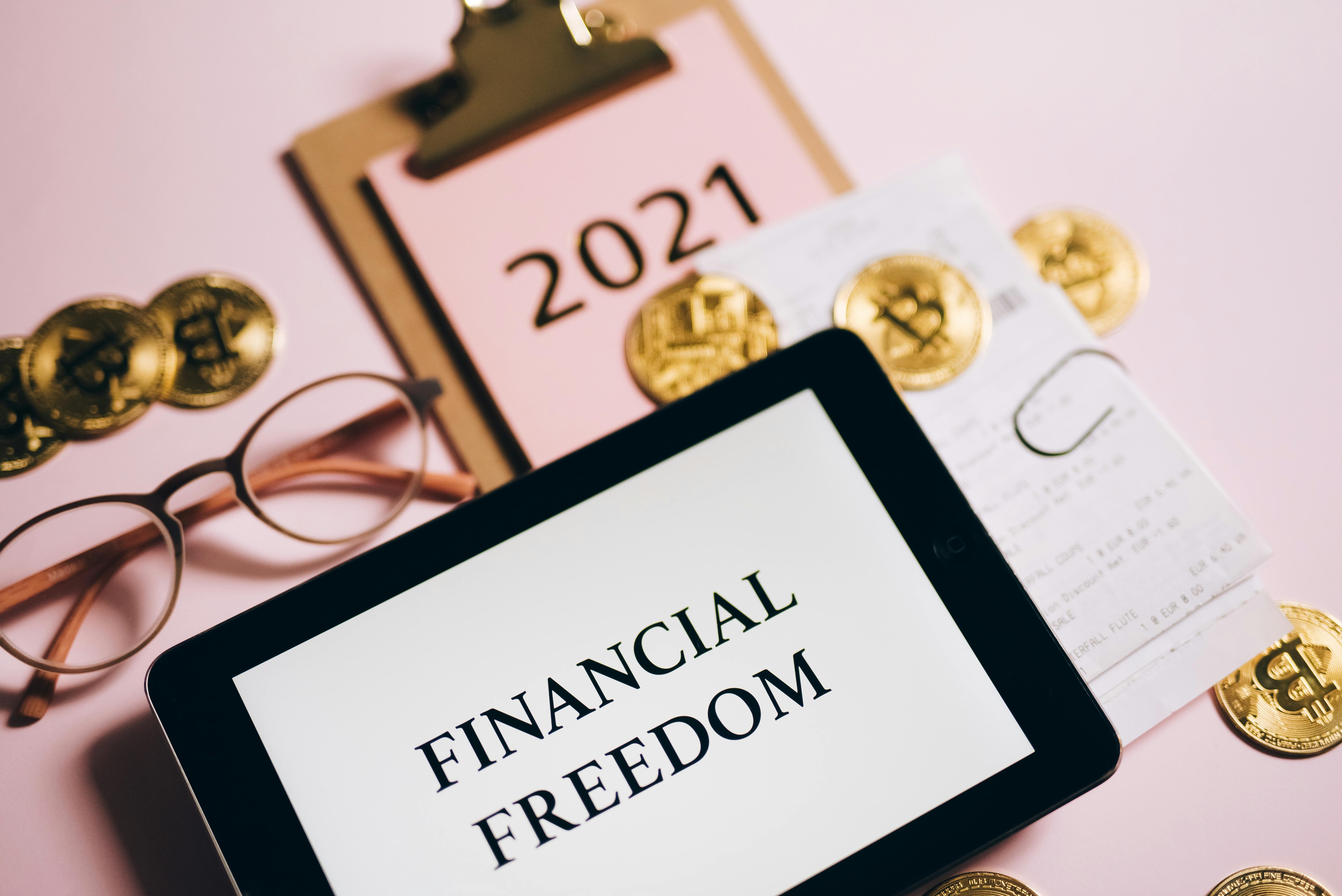
Discover the explosive growth of Real-World Asset (RWA) Tokenization in 2026. This comprehensive guide explores how tokenized real estate, fine art, luxury goods, and debt instruments are creating unprecedented investment opportunities, offering fractional ownership, enhanced liquidity, and global access. Learn to navigate the leading platforms and strategies to maximize your digital wealth and diversify your portfolio in this revolutionary Web3 finance landscape.
Introduction to the Topic
Welcome to 2026, where the lines between traditional finance and decentralized innovation have blurred into a vibrant new investment frontier: Real-World Asset (RWA) Tokenization. For years, the promise of blockchain technology has been whispered in the halls of Silicon Valley and the digital ether. Now, that promise is materializing into tangible, investable opportunities, fundamentally reshaping how we perceive and interact with value. No longer confined to abstract digital collectibles, NFTs and blockchain are now the keys unlocking fractional ownership in everything from skyscrapers and vineyards to priceless art and robust debt instruments. This isn't just a trend; it's a multi-trillion-dollar paradigm shift, offering unparalleled liquidity, transparency, and global accessibility to assets previously reserved for the ultra-wealthy or institutional investors.
At cryptonxtgen.com, we understand that staying ahead means understanding the mechanisms and opportunities of this revolution. RWA tokenization is poised to be the most significant investment narrative of the mid-2020s, bridging the gap between physical value and digital efficiency. It empowers individual investors to diversify their portfolios with tangible assets, mitigates geographical barriers, and introduces a new era of financial inclusion. Whether you're a seasoned crypto investor seeking stability or a traditional investor looking for high-yield, secure alternatives, understanding RWA tokenization is paramount to maximizing your wealth in this evolving digital economy. Prepare to dive deep into the platforms, strategies, and future of an investment class that is literally tokenizing the world.
Backgrounds & Facts
The concept of tokenizing real-world assets isn't entirely new, but 2026 marks a pivotal year of maturation and widespread adoption. Historically, illiquid assets like real estate, private equity, and fine art have been inaccessible to the average investor due to high entry costs, complex legal processes, and geographical constraints. Blockchain technology, particularly the advent of robust smart contracts and non-fungible tokens (NFTs), has provided the perfect infrastructure to dismantle these barriers. Each RWA token represents verifiable ownership or a share of an underlying physical asset, immutably recorded on a decentralized ledger.
The market for tokenized assets is experiencing exponential growth. Industry projections for 2026 estimate the total value of tokenized real-world assets to surpass $10 trillion globally, with significant contributions from tokenized real estate, debt instruments, and commodities. This surge is driven by several key factors: enhanced liquidity through fractionalization, allowing investors to buy and sell smaller portions of high-value assets; increased transparency due to immutable blockchain records; reduced transaction costs by cutting out intermediaries; and 24/7 global market access. Furthermore, regulatory frameworks, though still evolving, have made significant strides in key jurisdictions, providing greater clarity and confidence for both issuers and investors. Major financial institutions, sensing the inevitability and efficiency gains, are actively exploring or integrating RWA tokenization into their offerings, signaling a critical turning point for institutional adoption and mainstream acceptance. The technological advancements in scalability, security, and interoperability across various blockchains also play a crucial role, making RWA platforms more efficient and user-friendly than ever before.
Expert Opinion / Analysis
“The tokenization of real-world assets is not just an evolution; it’s a necessary revolution for global finance,” states Dr. Anya Sharma, lead analyst at Blockchain Capital Insights. “In 2026, we’re seeing the convergence of regulatory clarity, institutional demand, and mature technology. This trifecta is propelling RWAs from a niche concept to a mainstream investment vehicle. The inefficiencies of traditional asset management – the lengthy settlement times, the opaque ownership structures, the prohibitive entry barriers – are being systematically dismantled by smart contracts and digital ownership.”
Many experts echo Dr. Sharma's sentiment, highlighting the transformative potential. “Think about the democratizing effect,” explains Marcus Thorne, CEO of Nexus Asset Management, a firm increasingly focusing on digital assets. “Before, owning a piece of a high-value commercial property or a rare diamond was a distant dream for most. Now, through fractionalized tokens, an investor can allocate capital to these assets with relative ease and unprecedented liquidity. This opens up entirely new avenues for portfolio diversification and wealth generation, especially in a volatile macroeconomic climate where tangible assets often provide a robust hedge.”
However, analysts also caution against indiscriminate investment. “While the opportunities are immense, due diligence remains paramount,” advises Thorne. “Investors must scrutinize the underlying assets, the legal frameworks governing the tokenization, the platform’s security protocols, and the liquidity mechanisms in place. Not all tokenized assets are created equal, and understanding the nuances of each offering is crucial to mitigating risk and maximizing returns.” Dr. Sharma adds, “The regulatory landscape, while improving, is still fragmented. Investors should prioritize platforms that demonstrate robust compliance and have a clear legal opinion on the asset’s tokenized status in relevant jurisdictions. The future is bright, but informed decision-making is key to navigating this exciting, yet complex, new investment frontier.”
💰 Best Options in Comparison (VERY IMPORTANT)
Navigating the burgeoning RWA tokenization market requires understanding the diverse platforms and their specialized offerings. As of 2026, several key players have emerged, each carving out a niche in different asset classes, offering distinct advantages for various investor profiles. Here are some of the leading options to consider for your diversified digital asset portfolio:
- NexGen Property Tokens: Specializing in commercial and high-yield residential real estate. Known for robust legal frameworks and partnerships with established property developers. Ideal for investors seeking stable, income-generating assets.
- Artemis Collectibles: Focuses on fractionalizing high-value fine art, rare luxury goods, and vintage collectibles. Offers unique access to a market traditionally exclusive to ultra-high-net-worth individuals. Perfect for diversification into alternative, passion-driven assets.
- Global DebtLink: A pioneer in tokenizing private credit, corporate debt, and green bonds. Provides access to fixed-income opportunities with competitive yields, often previously only available to institutional investors. Suited for investors seeking consistent returns and lower volatility.
- InfraToken Capital: Concentrates on tokenizing equity and debt in large-scale infrastructure projects, including renewable energy and sustainable development. Appeals to investors interested in impact investing alongside financial returns.
To help you make an informed decision, here's a detailed comparison of these prominent RWA tokenization platforms:
| Platform Name | Primary Asset Focus | Minimum Investment | Regulatory Compliance | Key Features | Fees (avg.) | Liquidity Rating | Target Investor |
|---|---|---|---|---|---|---|---|
| NexGen Property Tokens | Real Estate (Commercial, Residential, Development) | $500 - $5,000 | SEC-compliant (US), FCA-registered (UK) | Quarterly dividends, secondary market, institutional partnerships | 1-2% acquisition, 0.5% management | High | Income-focused, long-term growth |
| Artemis Collectibles | Fine Art, Luxury Goods, Rare Collectibles | $100 - $1,000 | Art market regulations, KYC/AML compliant | Curated selection, expert appraisal, exhibition access | 2-3% platform fee, 0.75% storage/insurance | Diversifiers, alternative asset enthusiasts | |
| Global DebtLink | Private Credit, Corporate Debt, Green Bonds | $250 - $2,500 | MiFID II (EU), FINRA-registered (US) | Fixed income, diversified debt portfolios, credit rating transparency | 1% origination, 0.25% servicing | Yield-seeking, risk-averse, fixed-income investors | |
| InfraToken Capital | Infrastructure Projects (Renewable Energy, Sustainable Development) | $1,000 - $10,000 | Global regulatory compliance, ESG reporting | Impact investing, long-term capital appreciation, public-private partnerships | 1.5% project fee, 0.4% annual management | Impact investors, long-term capital growth |
When selecting a platform, consider your investment goals, risk tolerance, and the specific asset classes that align with your portfolio strategy. Always review the platform's whitepaper, legal documentation, and track record before committing capital. The best RWA tokenization platform for you will depend on whether you prioritize stable income, capital appreciation, diversification, or specific ethical investment criteria.
Outlook & Trends
The future of RWA tokenization in 2026 and beyond looks incredibly dynamic and transformative. We are on the cusp of witnessing even greater integration with traditional financial markets. Expect to see more hybrid models where established banks and asset managers launch their own tokenization arms, leveraging blockchain for back-office efficiency and new product offerings. This institutional embrace will bring increased capital, regulatory scrutiny, and, ultimately, greater stability and legitimacy to the sector.
Several key trends are set to define the next phase:
- Expanded Asset Classes: Beyond real estate and art, anticipate the tokenization of even more diverse assets, including intellectual property, rare metals, carbon credits, and even human capital. The scope of what can be fractionalized and traded digitally is continuously expanding.
- Interoperability & Cross-Chain Solutions: As more assets are tokenized on different blockchains, the demand for seamless cross-chain interoperability will intensify. Solutions allowing tokens to move freely and securely between various networks will be critical for market growth and liquidity.
- AI Integration: Artificial intelligence will play an increasing role in RWA tokenization, from enhancing due diligence and risk assessment for underlying assets to optimizing liquidity provision and personalizing investment recommendations. AI-powered analytics will help identify arbitrage opportunities and manage portfolio risks more effectively.
- Decentralized Autonomous Organizations (DAOs) for Asset Management: Expect to see DAOs emerge as significant players in the RWA space, collectively governing pools of tokenized assets, making investment decisions, and managing portfolios in a truly decentralized manner.
- Global Regulatory Harmonization: While still a challenge, efforts towards international regulatory frameworks for digital assets will likely gain momentum. Clearer, more harmonized rules will unlock vast amounts of institutional capital and foster global market integration.
The convergence of Web3 technologies with real-world value is not merely an innovation; it's a fundamental restructuring of global finance. The opportunities for wealth creation and portfolio diversification are immense for those who understand and strategically engage with this evolving landscape.
Conclusion
The tokenization of real-world assets represents a monumental leap forward in the evolution of investment. In 2026, it is no longer a speculative concept but a tangible reality, offering unprecedented access to high-value assets, enhanced liquidity, and a new paradigm for wealth generation. From fractionalized real estate to tokenized debt and fine art, the blockchain is democratizing investment and creating a more transparent, efficient, and globally accessible financial ecosystem.
For the discerning investor, RWA tokenization is not just an opportunity to diversify; it's a chance to be at the forefront of a financial revolution. By carefully evaluating the leading platforms, understanding the underlying asset classes, and staying informed about regulatory developments, you can strategically position your portfolio for significant growth. The future of finance is here, and it’s tokenized. Don't miss out on the chance to unlock new avenues of wealth and redefine your investment strategy. Explore the options presented, conduct your due diligence, and take the definitive step into the next generation of digital asset investment today. Your journey to maximizing your digital wealth begins now.