
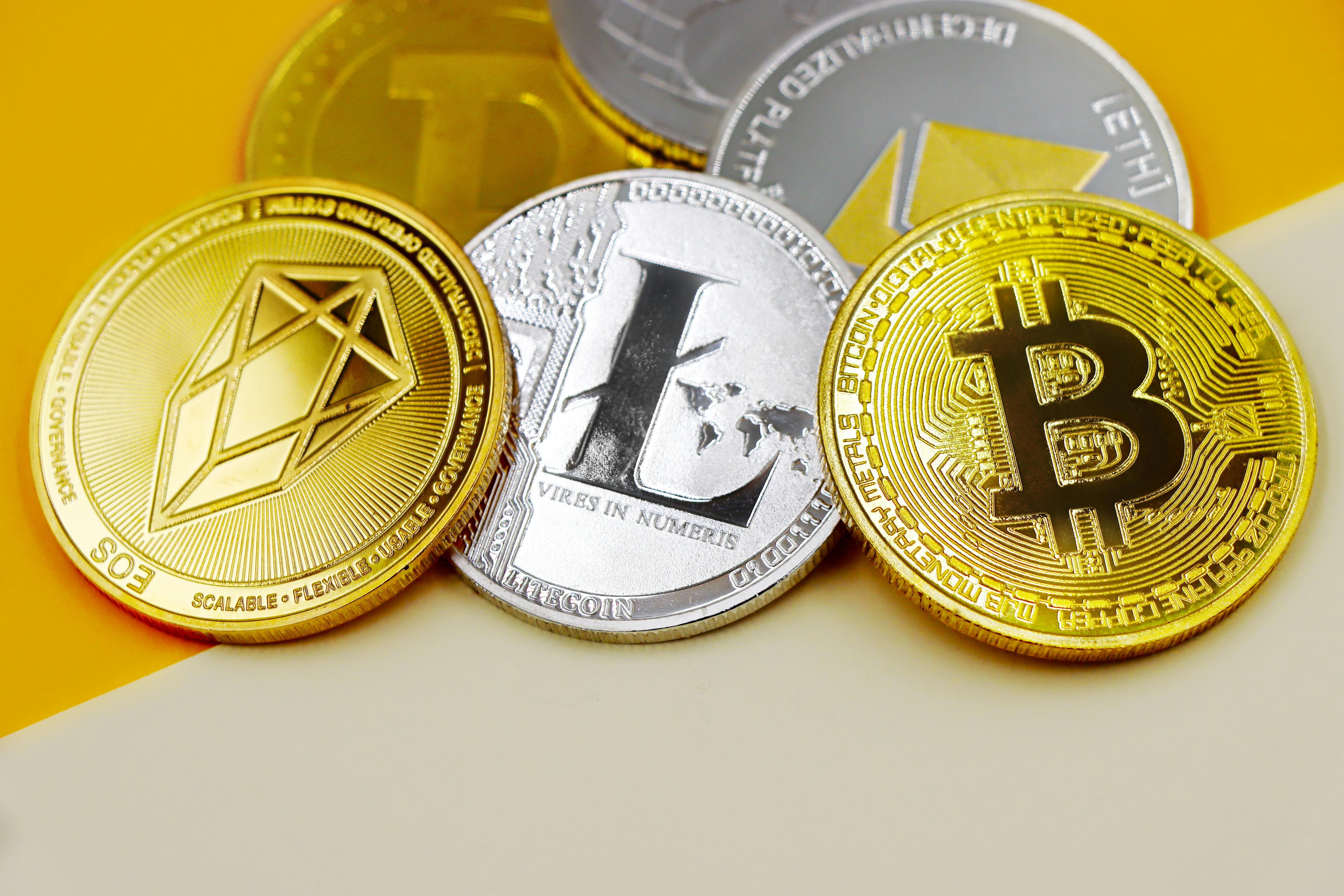
In 2026, Real-World Asset (RWA) tokenization is revolutionizing investment, transforming illiquid assets like real estate, fine art, and commodities into accessible, fractional digital assets. Discover the top RWA investment platforms and strategies to diversify your portfolio, enhance liquidity, and seize unparalleled wealth-building opportunities in the burgeoning Web3 economy. This comprehensive guide details how to invest in tokenized assets, comparing the best platforms for maximum returns and future-proofing your wealth.
Introduction to the Topic
Welcome to 2026, where the digital frontier of finance has expanded beyond purely virtual realms to encompass the tangible world. Non-Fungible Tokens (NFTs) have evolved dramatically, transitioning from profile pictures and digital art to powerful instruments for fractionalizing and democratizing ownership of Real-World Assets (RWAs). This isn't just a trend; it's a fundamental shift poised to unlock trillions in previously illiquid capital, offering unprecedented investment opportunities for both retail and institutional investors. The promise of RWA tokenization lies in its ability to bring real estate, luxury goods, intellectual property, and even entire businesses onto the blockchain, making them globally accessible, transparent, and significantly more liquid.
For savvy investors looking to diversify beyond traditional stocks and bonds, or even volatile cryptocurrencies, RWA tokenization represents the next major wave. This article will guide you through the intricacies of this burgeoning market, highlight the transformative potential, and critically, equip you with the knowledge to identify and engage with the leading platforms and services. Our goal at cryptonxtgen.com is to empower you to make informed decisions, ensuring your portfolio is not just participating in the future of finance, but actively shaping it.
Backgrounds & Facts
The journey to RWA tokenization has been a rapid and fascinating one. Early NFTs, while groundbreaking in establishing digital scarcity, primarily focused on native digital assets. However, the underlying blockchain technology – with its immutable ledgers, smart contracts, and global reach – was always destined for greater things. By 2024, the concept of 'utility NFTs' gained significant traction, moving beyond collectibles to represent memberships, access, and digital identity. This laid the groundwork for the monumental leap into tokenizing physical assets.
By 2026, the RWA tokenization market is no longer nascent; it's a rapidly maturing ecosystem. Industry analysts project the market capitalization of tokenized real-world assets to reach well into the multi-trillion-dollar range by the end of the decade. This growth is fueled by several key factors:
- Enhanced Liquidity: Traditional assets like prime real estate or fine art are notoriously illiquid. Tokenization breaks them into fractional, tradeable units, allowing for faster transactions and easier entry/exit for investors.
- Global Accessibility: Geographic barriers to investment are shattered. An investor in Tokyo can easily own a fraction of a commercial property in New York or a vineyard in France, bypassing complex international legal frameworks and banking restrictions.
- Fractional Ownership: High-value assets become accessible to a broader investor base. Instead of needing millions to buy a property, one can invest a few thousand dollars in a token representing a share of that property.
- Transparency & Auditability: Blockchain's inherent transparency ensures that ownership records, transaction histories, and asset data are immutable and publicly verifiable, reducing fraud and increasing trust.
- Reduced Costs & Intermediaries: Smart contracts automate many processes traditionally handled by lawyers, brokers, and banks, significantly cutting down on fees and processing times.
Regulatory frameworks, once a significant hurdle, have shown remarkable progress across leading jurisdictions in 2024-2026. Clear guidelines for security tokens, asset-backed NFTs, and digital asset exchanges have emerged, providing a much-needed legal foundation and attracting institutional capital. This regulatory clarity is a critical catalyst for the current explosion in RWA adoption.
Expert Opinion / Analysis
"The convergence of traditional finance with Web3, driven by RWA tokenization, is the most significant financial innovation of our generation," states Dr. Anya Sharma, Head of Digital Asset Strategy at Global Capital Ventures. "What we're witnessing in 2026 is the democratization of wealth previously confined to the ultra-rich. Institutional players, from sovereign wealth funds to major banks, are no longer just exploring; they are actively deploying capital and building infrastructure to leverage tokenized assets for enhanced yield, diversification, and operational efficiency."
The technological backbone supporting this revolution is robust. Advancements in Layer-2 solutions on leading blockchains like Ethereum, alongside the maturation of purpose-built enterprise blockchains, have resolved scalability and transaction cost issues that plagued earlier iterations. Interoperability standards are also improving, allowing tokenized assets to move seamlessly across different networks and DeFi protocols, further boosting liquidity and utility.
However, the landscape is not without its complexities. "While the benefits are immense, investors must remain vigilant," advises Mark Kincaid, a leading blockchain legal expert. "Due diligence on the underlying physical asset, the legal structure of the token, and the regulatory compliance of the platform are paramount. Not all tokenized assets are created equal, and understanding the 'off-chain' legal enforceability of your digital ownership is crucial." Risks include potential smart contract vulnerabilities, market volatility (especially for less liquid RWA tokens), and the evolving nature of global regulations. However, the leading platforms are employing advanced security audits, robust legal frameworks, and comprehensive insurance policies to mitigate these risks, making the RWA investment landscape safer than ever before.
💰 Best Options in Comparison (VERY IMPORTANT)
Navigating the burgeoning RWA market requires understanding the diverse platforms and services available. Here, we compare some of the leading categories and prominent players (or archetypes of players) in 2026, designed to help you make informed investment decisions for maximum portfolio growth.
- PropChain Global: A pioneer in tokenized commercial and residential real estate. PropChain Global offers fractional ownership in high-value properties across major global cities, boasting strong regulatory compliance and a secondary market for liquidity. Ideal for investors seeking stable, appreciating assets with rental yield potential.
- Aethelgard Digital Assets: Specializing in luxury goods and collectibles, Aethelgard allows fractional investment in fine art, rare wines, classic cars, and even historical artifacts. They emphasize meticulous provenance verification and secure physical storage, appealing to those looking for unique alternative investments with cultural value.
- TerraForge Sustainable Assets: Focuses on commodity and green asset tokenization, including tokenized gold, silver, and most notably, verified carbon credits and renewable energy projects. TerraForge appeals to environmentally conscious investors seeking tangible asset backing and opportunities in the burgeoning green economy.
- NexusYield DAO: A decentralized autonomous organization providing access to yield-generating RWA pools. NexusYield allows investors to provide liquidity against tokenized real-world debt, invoices, or revenue share agreements, offering higher APYs but requiring a deeper understanding of DeFi mechanics and associated risks.
To help you choose, here's a detailed comparison:
| Platform Name | Primary Asset Focus | Minimum Investment (Approx.) | Regulatory Compliance | Key Features | Liquidity | Target Investor |
|---|---|---|---|---|---|---|
| PropChain Global | Commercial & Residential Real Estate | $500 - $5,000 | SEC-compliant (US), FCA-registered (UK) | Fractional ownership, rental yield distribution, secondary market trading | Medium-High (active secondary market) | Growth-oriented, long-term real estate investors |
| Aethelgard Digital Assets | Fine Art, Rare Wines, Classic Cars, Collectibles | $1,000 - $10,000 | Art market regulations, specialized legal frameworks | Expert appraisal, secure vault storage, exhibition access | Medium (niche market, growing liquidity) | Diversified alternative asset investors, art enthusiasts |
| TerraForge Sustainable Assets | Gold, Silver, Carbon Credits, Renewable Energy Projects | $100 - $2,000 | Commodity regulations, environmental certifications | Physical asset backing, ESG focus, inflation hedge | High (commodities, growing carbon market) | Conscious investors, inflation protection seekers |
| NexusYield DAO | Tokenized Debt, Revenue Shares, Invoice Financing | $100 - $5,000+ | Community governance, evolving DeFi regulations | High APY potential, direct DeFi integration, transparency | Variable (depends on underlying pool liquidity) | DeFi natives, yield farmers, risk-tolerant investors |
Outlook & Trends
The future of RWA tokenization in 2026 and beyond is incredibly promising, marked by deeper integration, broader asset classes, and increasing institutional confidence. We can expect several key trends to define this evolution:
- DeFi Integration & Collateralization: Tokenized RWAs will become increasingly central to decentralized finance. Imagine using your fractional ownership in a commercial building as collateral for a DeFi loan, or staking your tokenized carbon credits to earn yield. This convergence will unlock vast amounts of capital and create novel financial products.
- Metaverse & Digital Twin Synergy: As metaverses mature, tokenized real estate will find a new dimension. Owning a tokenized fraction of a physical building could grant you exclusive access to its digital twin in a metaverse, or even provide voting rights in its virtual representation. This blurs the lines between physical and digital ownership.
- Expansion into New Asset Classes: Beyond real estate and luxury goods, expect to see tokenization of intellectual property (patents, copyrights), revenue streams from small businesses, private equity, and even human capital. The potential for fractionalizing and democratizing access to diverse investment opportunities is vast.
- AI-Driven Valuation & Management: Artificial intelligence will play an increasingly critical role in RWA tokenization, from real-time asset valuation and risk assessment to optimizing portfolio management and automating smart contract execution. AI will enhance efficiency and accuracy across the ecosystem.
- Global Regulatory Harmonization: While still fragmented, efforts towards international regulatory harmonization for digital assets will continue. This will streamline cross-border RWA investments, making the market even more seamless and appealing to a global investor base.
Conclusion
The year 2026 marks a pivotal moment for Real-World Asset tokenization. It's no longer a niche concept but a powerful, accessible, and increasingly regulated investment frontier that promises to redefine how we perceive, own, and trade value. By transforming illiquid physical assets into tradeable digital tokens, RWA tokenization offers unparalleled opportunities for portfolio diversification, enhanced liquidity, and access to previously exclusive markets.
Whether you're a seasoned investor seeking to future-proof your wealth or a new entrant looking for high-potential growth, understanding and engaging with RWA tokenization is essential. The platforms highlighted – from real estate to luxury goods, sustainable assets, and DeFi yield protocols – offer diverse entry points into this revolutionary sector. As with any investment, thorough due diligence is key. Research each platform, understand the underlying assets, and assess your risk tolerance.
Don't be left behind. The trillion-dollar RWA market is here, offering a tangible bridge between the physical and digital worlds of finance. Position your portfolio now to capitalize on this transformative era and unlock unprecedented wealth creation in the cryptonxtgen economy.