
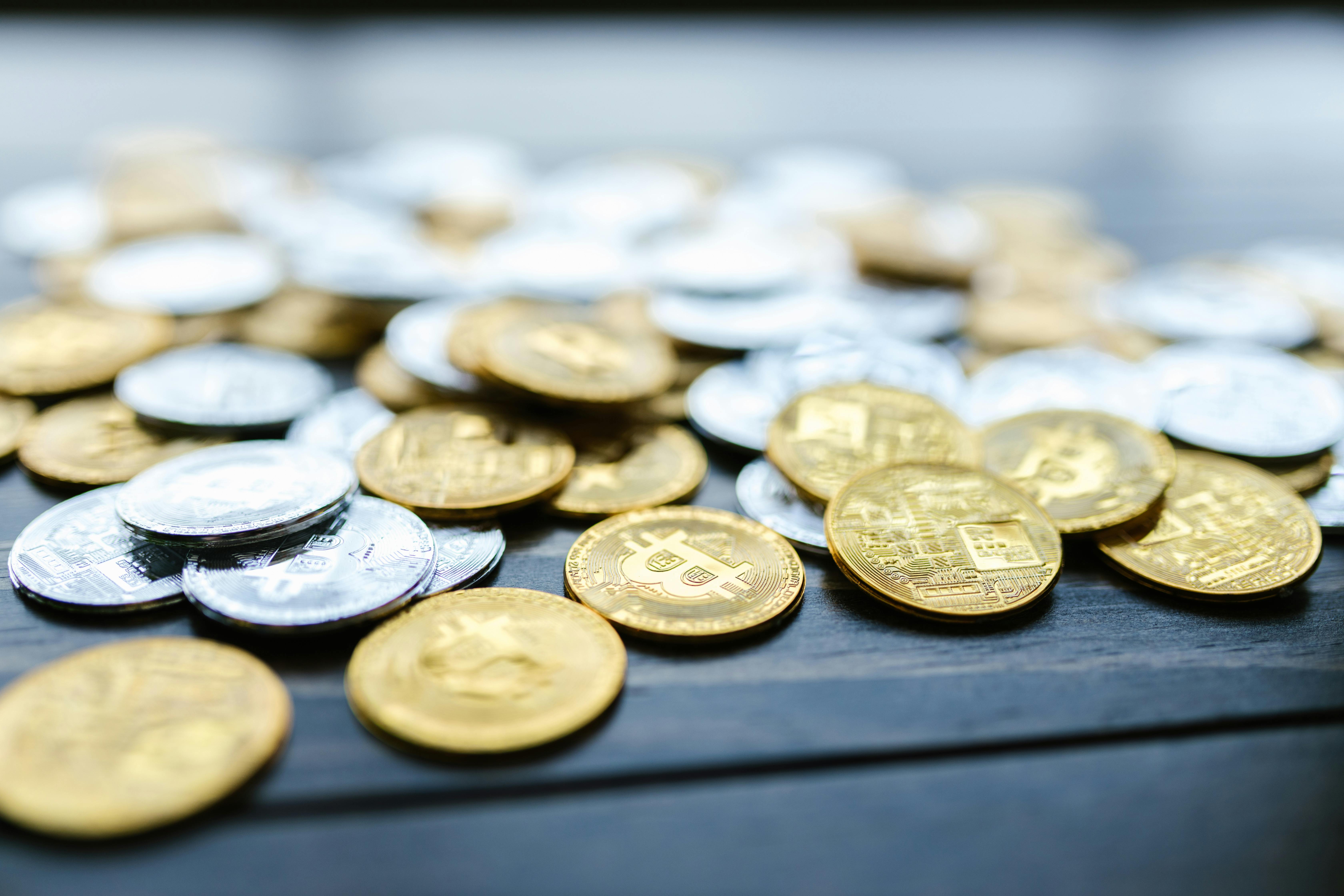
Unlock massive savings on crypto security in 2026! This guide details wallet costs, security features, and how to save $100s on crypto security without compromise. Essential for US investors.
💰 Secure Top Deal: Go straight to the offer →
📍 More from this category: Wallets & Security – All Articles
Introduction: The Real Story Behind Crypto Wallet Costs & Security in 2026
Best DeFi 2026: Ultimate Comparison →
The year is 2026, and the crypto landscape has matured, but the fundamental challenge remains: how do you secure your digital assets without breaking the bank? For millions of American investors, the promise of decentralized wealth often comes with a hidden tax – the cost of robust security. As digital assets become increasingly integrated into our financial lives, the choice of a crypto wallet and its associated security measures isn't just a technical decision; it's a critical financial one. Many fall into the trap of either overspending on unnecessary features or, worse, underinvesting in security, leaving them vulnerable to losses that dwarf any initial savings. This article cuts through the noise, providing a definitive guide for US crypto holders to understand the true costs of wallets and security, empowering you to make informed decisions that could save you hundreds of dollars in 2026 while safeguarding your investments.
Deep Dive: Backgrounds, Facts, & US Market Data in 2026
In 2026, the crypto market is characterized by widespread adoption, sophisticated attack vectors, and an evolving regulatory environment in the United States. Understanding the different types of wallets and their inherent cost structures is paramount.
The Wallet Spectrum: Hot, Cold, and Hybrid Solutions
Hot Wallets: These are internet-connected wallets, often free to download as mobile apps or browser extensions (e.g., MetaMask, Coinbase Wallet, Exodus). While convenient for frequent transactions and DeFi interactions, their online nature makes them inherently more susceptible to hacking, phishing, and malware attacks. In 2026, many hot wallets have integrated advanced security features like multi-factor authentication (MFA), biometric login, and even limited insurance for certain assets, but these often come with trade-offs in terms of privacy or increased transaction fees for enhanced security layers.
- Typical Costs (2026): Initial download is usually free. Indirect costs include potential higher network transaction fees due to smart contract interactions, gas fees on congested networks, and the inherent risk of asset loss if compromised. Some premium hot wallets may offer subscription tiers for advanced analytics or enhanced security features, ranging from $5-$20/month.
Cold Wallets (Hardware Wallets): These are physical devices that store your private keys offline, making them immune to online threats. Ledger, Trezor, and Keystone remain dominant players, but new entrants with advanced biometric or quantum-resistant features are emerging. Hardware wallets are widely considered the gold standard for long-term storage of significant crypto holdings. Their "air-gapped" nature provides superior protection against remote attacks.
- Typical Costs (2026): The upfront purchase cost is the primary expense. Expect prices for reputable hardware wallets to range from $70 for basic models to $300+ for premium, multi-asset, or quantum-resistant devices. These are one-time costs, though some users opt to upgrade every few years for newer technology or enhanced security features.
Paper Wallets: While once a popular "cold storage" option, paper wallets—physical printouts of public and private keys—are largely deprecated by 2026 due to their susceptibility to physical damage, theft, and user error during creation/import. They offer zero digital cost but carry immense physical risk and are not recommended for any significant holdings.
Evolving Threat Landscape and US Market Realities
The year 2026 sees a more sophisticated array of cyber threats. Phishing scams are more convincing, malware is more insidious, and social engineering attacks are highly targeted. For US investors, the stakes are higher due to increased regulatory scrutiny and the potential for larger individual holdings. Data from industry analysts suggests that in 2025, over $5 billion was lost to crypto-related scams and hacks, with a significant portion impacting individual investors due to compromised hot wallets or poor private key management. This stark reality underscores the need for robust security, not just as a luxury, but as a fundamental investment strategy.
Furthermore, the US market in 2026 is seeing a rise in "insured" crypto products or custodial services. While these offer peace of mind, they come with significant fees, often taking a percentage of assets under management (AUM) or charging high premium rates. For the average investor looking to save $100s, self-custody with proper security remains the most cost-effective long-term solution.
Expert Analysis & Industry Insights
As experts at CRYPTO NXT GEN, we observe a critical disconnect in the market: many investors prioritize convenience and low upfront cost over long-term security and true value. This often leads to hidden expenses and potentially catastrophic losses.
The Nuance of "Free": Hidden Costs and Trade-offs
The allure of "free" hot wallets is powerful, but it's crucial to understand the hidden costs. While a browser extension wallet costs nothing to download, its security is intrinsically linked to your device's security and your online habits. A single click on a malicious link, a compromised browser extension, or even a weak Wi-Fi connection can expose your assets. The cost of recovery, if even possible, can be immense, far outweighing the price of a hardware wallet. Moreover, many "free" wallets operate on networks with fluctuating gas fees, which can quickly add up if you're frequently transacting. Some platforms might also charge higher swap fees or offer less favorable exchange rates within their integrated services, subtly eroding your portfolio.
The "Cost of Not Having Security"
This is perhaps the most overlooked aspect. The true cost isn't just the price tag of a hardware wallet or a security subscription; it's the potential loss of your entire crypto portfolio. Imagine losing $5,000, $10,000, or even $100,000 because you opted for a free, less secure solution. The emotional toll, the financial setback, and the potential impact on your future investment capacity are incalculable. In this context, a $100-$200 hardware wallet is not an expense; it's an insurance policy with a one-time premium, offering unparalleled peace of mind.
Emerging Security Paradigms and Their Impact on Costs
By 2026, several advanced security paradigms are gaining traction:
- Multi-Party Computation (MPC) Wallets: These wallets distribute control over private keys across multiple parties or devices, eliminating a single point of failure. While offering enhanced security, they often come with higher operational complexity and may incur subscription fees for the underlying service.
- Account Abstraction (Smart Contract Wallets): Gaining significant traction on Ethereum and other EVM-compatible chains, these wallets allow for customizable security rules, social recovery, and gas fee payment in any token. While the smart contract deployment itself has a one-time gas cost (which can be high during network congestion), the long-term benefit is enhanced security and user experience without traditional seed phrases.
- Biometric Integration: Newer hardware wallets and secure mobile apps are integrating advanced biometrics (fingerprint, facial recognition, even iris scans) directly into the secure element, adding another layer of authentication that's harder to bypass. This often features in premium-priced devices.
- Quantum Resistance: The looming threat of quantum computing is driving the development of quantum-resistant cryptographic algorithms. Some high-end hardware wallets are beginning to offer experimental quantum-resistant features, which typically come at a premium price point in 2026.
These innovations offer superior security but often come with an associated cost, either in hardware price, subscription fees, or network transaction costs. The key is to weigh these against your personal risk profile and portfolio size.
💰 Ultimate Comparison: The Best Options (HIGH CPC SECTION)
To truly save $100s on crypto security in 2026, it's about making strategic choices that align with your investment style and risk tolerance. Here’s a breakdown of the best options:
Premium Pick: Uncompromising Security for Significant Holdings
For investors with substantial crypto portfolios (e.g., $10,000+), a multi-layered premium approach is recommended. This involves a top-tier hardware wallet combined with strategic multi-sig or smart contract wallet usage.
- Hardware Wallet (High-End): Invest in a leading hardware wallet known for robust security, a secure element, and perhaps even early quantum-resistant features. Consider models that support a wide range of assets and offer excellent software integration for managing your portfolio. Brands like Ledger Stax, Trezor Safe 5, or new entrants focusing on enterprise-grade security are prime examples.
- Pros: Maximum security against online threats, full self-custody, often built-in recovery features.
- Cons: Highest upfront cost, requires careful physical storage and seed phrase management.
- Multi-Signature (Multi-Sig) or Smart Contract Wallet: For truly large sums, consider a multi-sig setup (e.g., Gnosis Safe) or an advanced smart contract wallet. This requires multiple approvals (from different devices or individuals) to authorize transactions, significantly reducing the risk of a single point of failure.
- Pros: Unparalleled security against theft, ideal for joint holdings or institutional use.
- Cons: Higher complexity, initial setup gas fees, slower transaction approvals.
- Cost Savings: While the initial outlay is higher ($200-$500+), the protection offered against potential losses of $10,000s or $100,000s makes this an invaluable investment. The absence of recurring custodial fees also leads to significant long-term savings compared to insured exchange accounts.
Value Pick: Smart Security for Growing Portfolios
For those with smaller to medium-sized portfolios (e.g., $500 - $10,000) or who are just starting their crypto journey, a balanced approach combining affordability with strong security is key.
- Reputable Mid-Range Hardware Wallet: A reliable, user-friendly hardware wallet (e.g., Ledger Nano S Plus, Trezor Model One, Keystone Essential) offers excellent security without the premium price tag. These devices provide the core benefit of offline key storage.
- Pros: Excellent balance of security and cost-effectiveness, easy to use for beginners.
- Cons: May lack some advanced features of premium models, limited screen size on some models.
- Secure Software Wallet (Limited Use): For smaller "spending" amounts or frequent DeFi interactions, pair your hardware wallet with a highly secure software wallet (e.g., MetaMask connected to your hardware wallet, or a mobile wallet with strong biometric and PIN protection for small sums). Never store significant assets on a hot wallet alone.
- Pros: Convenience for daily transactions, often free or low-cost to acquire.
- Cons: Higher risk than cold storage, requires diligent personal security practices.
- Cost Savings: By choosing a mid-range hardware wallet ($70-$150) and leveraging free, secure software wallets for specific purposes, you get robust security without overspending. Avoiding losses from compromised hot wallets directly translates to saving $100s, if not $1,000s, over time.
Here’s a detailed HTML table comparing key options for saving money on crypto security in 2026:
| Wallet Type / Solution | Key Features (2026) | Estimated Cost (2026 Range) | Security Level | Best For | Potential Savings |
|---|---|---|---|---|---|
| Premium Hardware Wallet | Secure Element, Biometric Auth, Large Display, Multi-asset, Quantum-Resistant (experimental) | $180 - $350 (One-time) | Highest | Large portfolios, long-term HODLers, maximum peace of mind. | $1000s+ (by preventing loss), avoiding high custodial fees. |
| Mid-Range Hardware Wallet | Secure Element, PIN/Passphrase, Multi-asset support, USB-C connectivity. | $70 - $150 (One-time) | High | Growing portfolios, new investors, balancing cost & security. | $100s - $1000s (by preventing loss), strong ROI on security investment. |
| Smart Contract Wallet (e.g., Account Abstraction) | Social Recovery, Customizable Security Rules, Batch Transactions, Gas Abstraction. | $20 - $100 (One-time gas fee for deployment) + potential subscription for advanced features ($5-$15/month). | Very High | DeFi users, those wanting advanced recovery options, institutional-grade flexibility. | $100s+ (by preventing loss through flexible recovery and advanced security logic), optimizing gas fees. |
| Secure Hot Wallet (Paired with Hardware) | Browser Extension/Mobile App, Multi-factor Auth, Biometric login (on mobile). | Free (initial), $0-$20/month (premium features). | Medium (when used alone), High (when paired with hardware). | Small spending, frequent DeFi interactions (when connected to hardware wallet). | $100s (by avoiding transaction fees on centralized exchanges for small trades) if used wisely. |
| Decentralized Exchange (DEX) with Self-Custody | Peer-to-peer trading, no KYC (often), direct wallet connection. | Network transaction fees (variable). | High (if wallet is secure). | Privacy-conscious traders, active DeFi participants. | $10s - $100s (by avoiding centralized exchange trading fees and withdrawal limits). |
| Centralized Exchange (CEX) with Custody | User-friendly UI, fiat on-ramps, potential insurance. | Trading fees (0.1% - 0.5% per trade), withdrawal fees ($5-$50), potential premium subscription for lower fees. | Medium (reliant on exchange security). | New users, infrequent traders, fiat conversions. | *Potential to lose $100s* in fees over time compared to self-custody + DEX. Savings are minimal here. |
Future Outlook & 2026 Trends
The trajectory of crypto wallets and security in 2026 is dynamic, promising both challenges and opportunities for cost savings.
- AI in Security: Artificial intelligence is increasingly being deployed in real-time threat detection for hot wallets and blockchain analytics, identifying suspicious transactions and potential exploits. This could lead to more robust, subscription-based security features.
- Quantum Resistance: As quantum computing advances, the push for quantum-resistant cryptography will intensify. Expect new generations of hardware wallets to integrate these algorithms, potentially increasing their price but offering future-proof security.
- User Experience (UX) Enhancements: Wallets are becoming more intuitive. Account abstraction, for instance, allows for "gasless" transactions (where gas is paid by a relayer) and social recovery, making self-custody less intimidating and potentially reducing user error-related losses. These innovations aim to reduce hidden costs associated with complexity.
- Regulatory Impact: In the US, evolving regulations around stablecoins, DeFi, and digital asset custody could influence the features and compliance costs of various wallet solutions. Enhanced regulatory clarity might foster more innovation in insured self-custody options, but these will likely come with a premium.
- Interoperability: Seamless integration between different blockchain ecosystems and wallet types will improve, allowing users to manage diverse portfolios more efficiently and potentially reduce transaction costs associated with bridging assets.
These trends suggest that while advanced security features may initially carry a higher price tag, the long-term benefits of preventing loss and streamlining operations will ultimately translate into significant savings for diligent investors. The "save $100s" narrative in 2026 will increasingly shift from simply buying cheaper wallets to strategically investing in smart, future-proof security that prevents catastrophic financial setbacks.
Conclusion
In 2026, the notion that robust crypto security must be prohibitively expensive is a myth. By understanding the true costs and strategic value of different wallet types and security measures, US investors can confidently navigate the digital asset landscape and save hundreds, if not thousands, of dollars. The decision isn't merely about the upfront price of a device or a free download; it's about minimizing risk, preventing catastrophic losses, and optimizing your long-term financial health in the crypto space. Invest wisely in your security, and you'll not only protect your assets but also unlock substantial savings that compound over time. Prioritize a reputable hardware wallet for your significant holdings, understand the nuances of hot wallet usage, and stay informed on emerging security trends. Your future self, and your portfolio, will thank you.
👉 More News: Top NFTs & Digital Assets Deals 2026: Maximize Your ROI Deep Dive